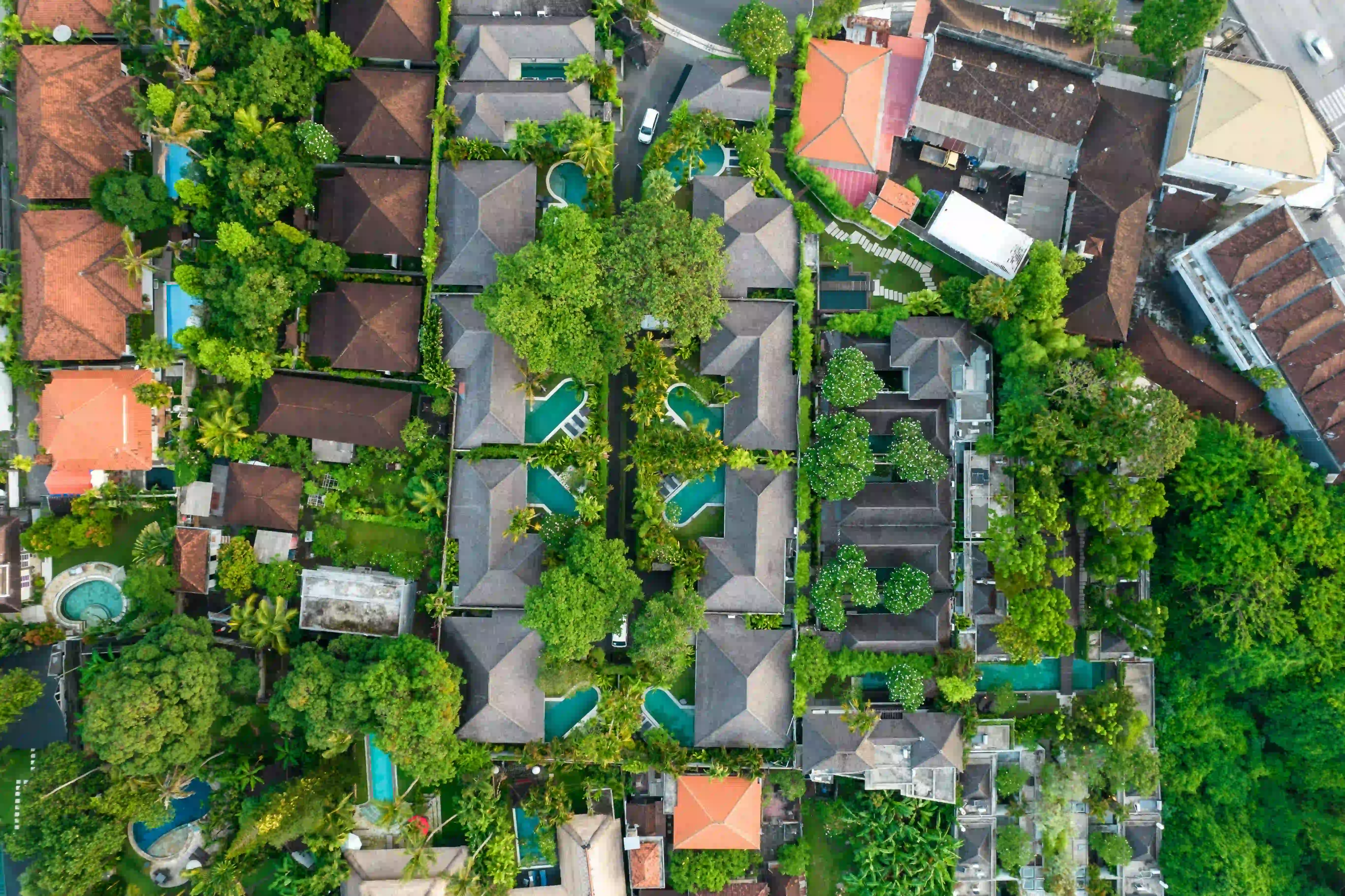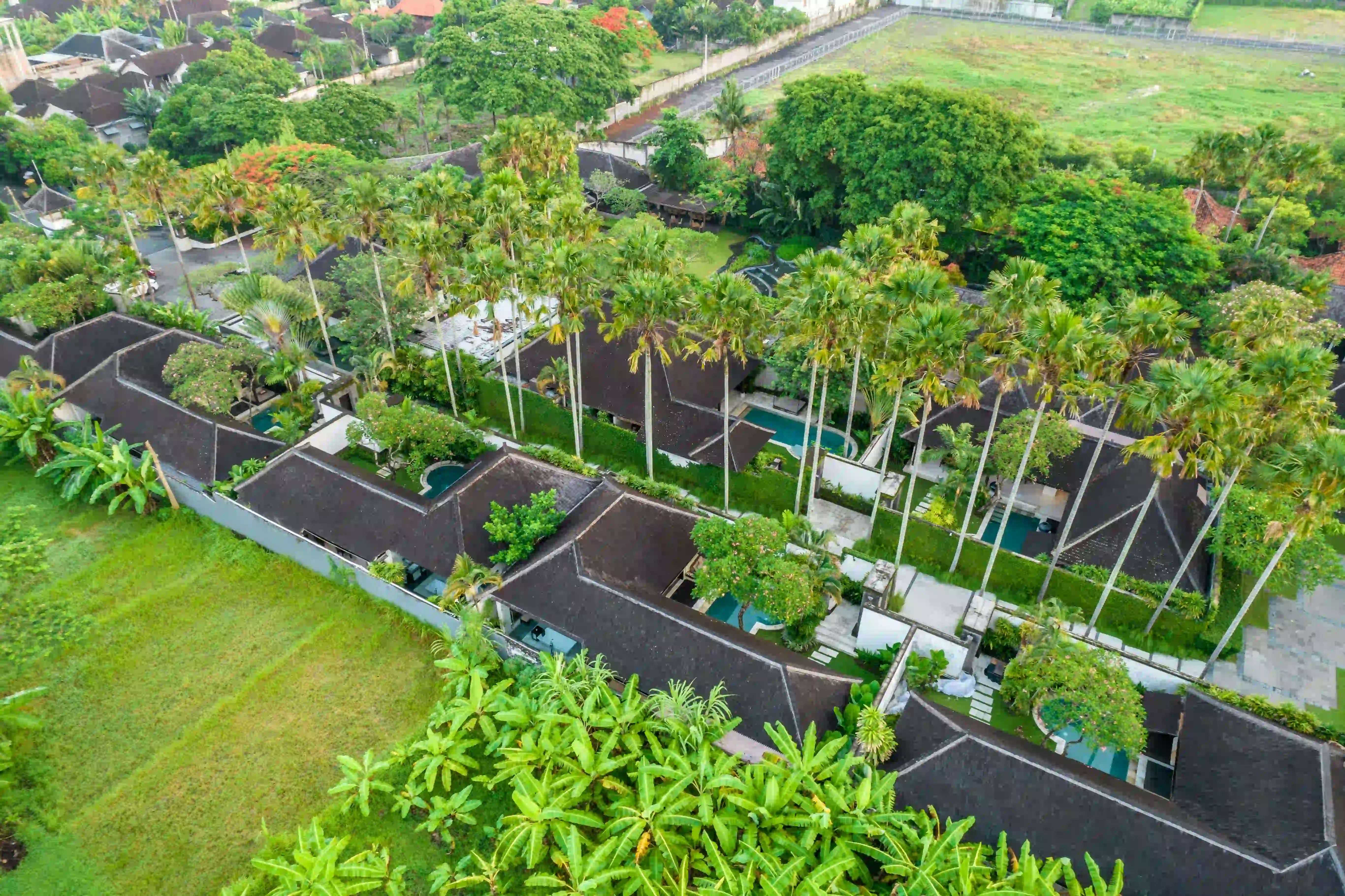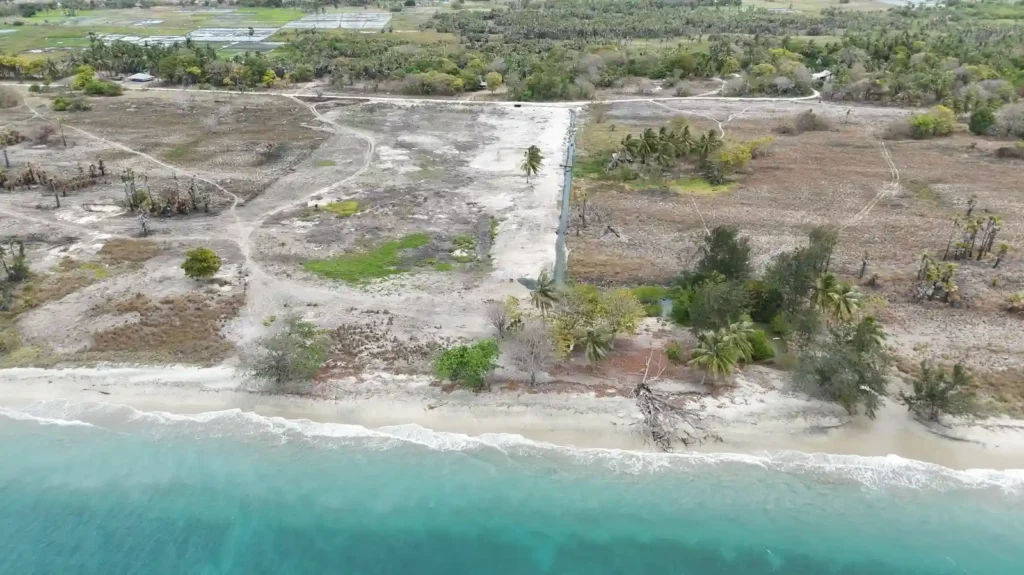
KEK Kura-Kura financial center, Serangan Bali
KEK Kura-Kura financial center, Serangan Bali.

The Bali International Financial Center (Bali IFC) represents a significant strategic initiative by the Indonesian government, officially approved by President Prabowo Subianto. Envisioned as a sovereign financial-services hub, its primary location is within the Kura Kura Bali Special Economic Zone on Serangan Island, with an additional component in the Sanur Special Economic Zone. This ambitious project aims to attract global investment, enhance Indonesia’s economic competitiveness, and facilitate international capital flows. With an investment target of approximately 104.4 trillion Indonesian rupiah, the Bali IFC is poised to become a pivotal new financial center, diversifying Indonesia’s economic landscape and strengthening its integration into global finance networks.

The Vision for the Bali International Financial Center

The establishment of the Bali International Financial Center is a bold declaration of Indonesia’s intent to elevate its standing in the global economic landscape. This initiative is not merely about creating a physical financial center but about cultivating an ecosystem designed to attract international investment and position Indonesia as a key player in global finance. The project, spearheaded by the Indonesian government, seeks to harness Bali’s unique appeal and strategic location to develop a robust financial sector that complements Jakarta’s existing financial infrastructure.

A Strategic Imperative for Indonesia’s Economic Future

Indonesia, as Southeast Asia’s largest economy, has long sought avenues to diversify its economic base and enhance its competitiveness on the world stage. The Bali IFC, officially endorsed by President Prabowo Subianto, is a direct response to this imperative. It is designed to be a catalyst for sustained economic growth, drawing in global capital and expertise that can stimulate various sectors of the national economy. The proposed investment target for developing this international financial center in Bali stands at approximately 104.4 trillion Indonesian rupiah, equivalent to around 6 billion US dollars. This substantial capital injection underscores the national priority assigned to the project, earmarking funds for critical infrastructure development, the establishment of robust regulatory frameworks, and the creation of world-class operational facilities. The vision extends beyond mere financial transactions; it aims to foster innovation, create high-value employment opportunities, and integrate Indonesia more deeply into the intricate web of global capital flows. By establishing a new international financial hub, Indonesia aims to strengthen its economic resilience and secure a more prominent role in regional and global economic affairs.

Kura Bali and the Special Economic Zone Framework

The geographical heart of the Bali International Financial Center lies within the Kura Bali Special Economic Zone (SEZ) on Serangan Island, near Denpasar, with an additional strategic component in the Sanur Special Economic Zone. The designation of these areas as SEZs provides the foundational legal and administrative framework necessary for the ambitious project. A Special Economic Zone offers a unique set of regulations, incentives, and infrastructure designed to attract specific types of investment and economic activity. For the Bali IFC, the Kura Bali SEZ is being specifically positioned as a financial sector SEZ, tailored to host an international financial center and a wide array of related business services. This strategic choice allows for the implementation of a distinct regulatory environment that can be more agile and competitive than conventional national frameworks, while still operating under Indonesian sovereignty. The serene equatorial sun warming the turquoise waters surrounding Serangan Island offers a tranquil yet strategic backdrop for this transformative economic endeavor. The development of Kura Bali as a hub for finance signifies a deliberate move to cultivate a robust financial ecosystem that extends beyond the traditional confines of Jakarta, leveraging Bali’s international recognition and connectivity.

Establishing an International Financial Hub in Southeast Asia

The aspiration to create an international financial hub in Bali is rooted in a comprehensive strategy to enhance Indonesia’s economic competitiveness and facilitate greater integration into global markets. This involves not only attracting significant investment but also building a sophisticated financial infrastructure and regulatory environment that instills confidence among international players. The success of such a venture hinges on its ability to offer compelling advantages over established financial centers in the region.

Attracting Global Capital and Investment

A core objective of the Bali International Financial Center is to attract international investment and become a magnet for global capital. The strategic location within Southeast Asia, coupled with Indonesia’s robust economic fundamentals, positions the Bali IFC as an attractive destination for global investors. The center aims to facilitate a broad spectrum of financial activities, from asset management and wealth management to capital market operations and fintech innovation. By providing a conducive environment for business, the Bali IFC seeks to draw in foreign investors looking for new opportunities in a dynamic emerging market. This influx of global investment is crucial not only for the direct development of the financial center but also for stimulating ancillary industries and creating a multiplier effect across the Indonesian economy. The goal is to establish a reputation for efficiency, transparency, and reliability, making Bali a preferred choice for deploying capital in the region.

Regulatory Frameworks and Legal Certainty

The credibility and operational effectiveness of any financial center are fundamentally dependent on its regulatory environment. For the Bali IFC, the Indonesian government is working to establish a robust and clear regulatory framework, with key contributions anticipated from the Financial Services Authority (OJK) and Bank Indonesia. These institutions are tasked with designing a framework that ensures stability, protects investors, and fosters fair competition, while also being flexible enough to adapt to the evolving demands of global finance. A critical component of this framework is the provision of legal certainty. Investors and financial institutions require clear, predictable, and enforceable laws and regulations to operate confidently. The SEZ status provides a mechanism to implement tailored legal provisions that can streamline processes, reduce bureaucratic hurdles, and offer specific protections that enhance investor confidence. This commitment to a strong legal and regulatory foundation is paramount for the Bali IFC to gain trust and compete effectively with established international financial centers.

The Role of Digital Finance and Innovation

In the contemporary landscape of global financial services, digital finance and technological innovation are indispensable. The Bali International Financial Center is being designed with a forward-looking perspective, aiming to integrate advanced digital finance technologies and foster a culture of innovation. This includes supporting fintech startups, facilitating blockchain applications, and promoting the adoption of artificial intelligence in financial services. The emphasis on digital transformation is intended to make the Bali IFC a modern and efficient international financial hub, capable of handling complex transactions and catering to the needs of tech-savvy investors and businesses. By embracing digital solutions, the center can enhance operational efficiency, reduce costs, and expand access to financial services, thereby strengthening its appeal as a dynamic and future-oriented financial destination in Southeast Asia.

Bali’s Unique Advantages as a Global Financial Hub

Bali’s existing global recognition and strategic location offer distinct advantages that differentiate its potential as a global financial hub from other emerging financial centers. The island’s established infrastructure, natural beauty, and cultural richness provide a unique backdrop for a sophisticated financial ecosystem.

Beyond Traditional Finance: Synergy with Tourism and Resources

Unlike many traditional financial centers, Bali offers a unique synergy between finance and its existing strengths. As a world class tourism destination, Bali already attracts a significant international presence, including high-net-worth individuals and global businesses. This existing connectivity and infrastructure can be leveraged to support the financial center. Furthermore, Indonesia’s abundant natural resources and growing pool of skilled human resources present opportunities for specialized financial services, such as green finance, sustainable investment, and commodity trading. The integration of the financial sector with these existing strengths can create a more diversified and resilient financial hub, attracting investments that align with Indonesia’s broader economic development goals. The appeal of living and working in Bali, combined with a sophisticated financial environment, could be a significant draw for international talent and businesses.

Tax Incentives and Business Environment

To ensure its competitiveness as a regional financial hub, the Bali International Financial Center is expected to offer attractive tax incentives and a streamlined business environment. These incentives, typically associated with Special Economic Zone frameworks, are crucial for attracting multinational corporations, financial institutions, and foreign investors. Such benefits might include reduced corporate tax rates, exemptions from certain import duties, and simplified licensing procedures. The aim is to create an operational environment that minimizes administrative burdens and maximizes profitability for businesses choosing to establish a presence in Bali. This strategic approach is designed to provide a compelling proposition for financial entities seeking to expand their operations in Southeast Asia, offering a balance of regulatory certainty, economic incentives, and a desirable lifestyle.

Economic Impact and Future Outlook for the Regional Financial Hub

The establishment of the Bali International Financial Center is poised to have a profound impact on Indonesia’s economy and its standing in the global financial system. The initiative represents a long-term strategic investment aimed at fostering sustainable economic growth and enhancing national prosperity.

Strengthening Indonesia’s Position in Global Finance

The Bali IFC is envisioned as a critical pillar for strengthening Indonesia’s position in global finance. By creating a sophisticated regional financial hub, Indonesia aims to capture a larger share of global capital flows, which are essential for funding national development projects and fostering innovation. This new international financial hub will facilitate greater access to international markets for Indonesian businesses and provide a platform for foreign entities to invest in the country’s burgeoning economy. The center’s success will contribute significantly to Indonesia’s overall economic affairs, enhancing its financial stability and diversifying its economic base away from traditional sectors. The strategic location of the Bali IFC within Southeast Asia also positions it as a gateway for investment into the broader ASEAN region, further solidifying Indonesia’s leadership role and influence in regional economic integration. The sustained development of the Kura Bali SEZ as the nucleus of this financial center will be crucial for realizing these ambitious objectives.

Related News and Developments

As an independent editorial guide, this platform continuously monitors the progress and evolution of the Bali International Financial Center. The development of such a significant national project involves ongoing regulatory adjustments, infrastructure milestones, and policy announcements from the Indonesian government and relevant financial authorities.

Key areas of interest for related news will include:

  • Updates on the regulatory framework from OJK and Bank Indonesia, particularly concerning licensing, operational guidelines, and specific incentives for financial institutions.
  • Progress reports on infrastructure development within the Kura Bali Special Economic Zone on Serangan Island and the Sanur SEZ.
  • Announcements regarding initial anchor tenants or significant foreign investors committing to establish operations within the Bali IFC.
  • Policy discussions and legislative changes aimed at enhancing legal certainty and attractiveness for global investors.
  • Developments in the adoption of digital finance technologies and initiatives to foster innovation within the international financial center.
  • Any shifts in the projected investment targets or timelines for the full operationalization of the global financial hub.

This section will be regularly updated to provide factual and timely information, offering insights into how the Bali IFC is progressing towards its goal of becoming a prominent financial hub in Southeast Asia and a key contributor to global finance.