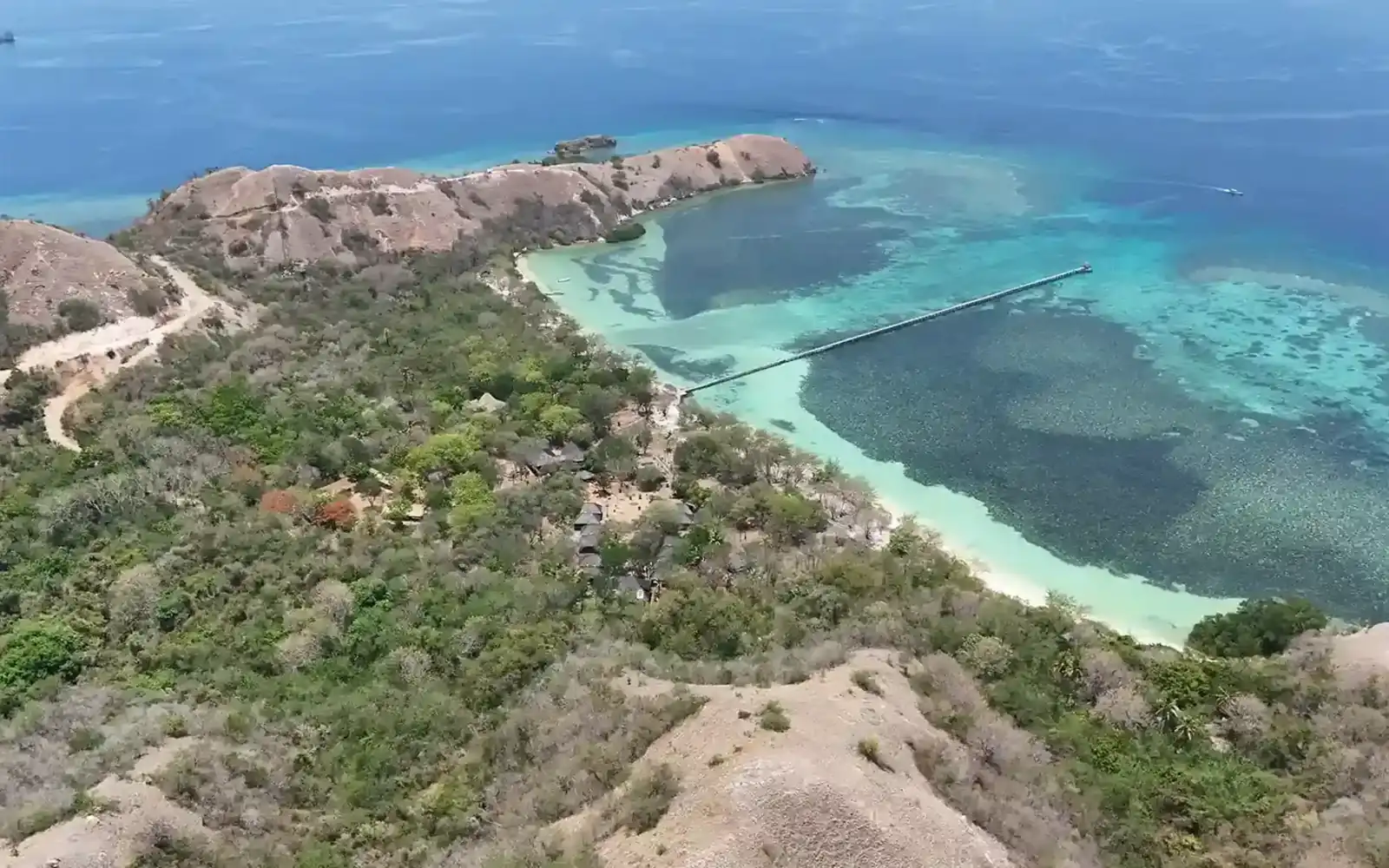
Choosing the optimal time to engage with the bali international financial center hinges on balancing peak operational efficiency with the island’s distinct seasonal rhythms. This strategic hub, fostering economic growth and international collaboration, is best experienced when environmental conditions align with business objectives and luxury leisure pursuits.

  • **Dry Season (June-September):** Ideal for high-profile events and outdoor networking, offering stable weather and clear marine conditions.
  • **Shoulder Seasons (April-May, October-November):** Excellent value, fewer crowds, and pleasant weather for focused work and relaxed exploration.
  • **Monsoon Season (December-March):** Offers competitive pricing and a serene atmosphere, suitable for introspective work, wellness retreats, and specific marine activities.

Imagine the gentle warmth of the morning sun kissing your skin as you step onto a private villa terrace, the scent of frangipani carried on a soft breeze. Below, the turquoise expanse of the Indian Ocean shimmers, promising clarity for a morning dive or a smooth journey for a yacht excursion. This is Bali, an island where ancient traditions meet vibrant modernity, and where the strategic pulse of the bali international financial center beats in harmony with its natural rhythms. For the discerning traveler and astute business leader, understanding these seasonal nuances isn’t merely a convenience; it’s a strategic advantage, ensuring every visit, whether for a high-stakes meeting or a restorative escape, unfolds with seamless perfection.

April – May: The Golden Shoulder of Opportunity

As the last vestiges of the monsoon dissipate, April ushers in a period of exquisite balance, marking the beginning of Bali’s coveted dry season. The air feels crisp, humidity levels drop to a comfortable 70-75%, and average daily temperatures hover around a pleasant 28°C. This shoulder season presents an window for engaging with the bali international financial center, offering the best of both worlds: superb weather conditions without the peak season crowds. Business delegates find an environment conducive to clear thinking and efficient networking, with fewer logistical challenges from tourist congestion. Flight prices from major international hubs like Singapore or Sydney often see a 10-15% reduction compared to July, and luxury accommodations might offer attractive packages, translating to an average saving of $100-$200 per night on five-star properties.

Marine conditions during this period are exceptional. Water visibility around Nusa Penida and Candidasa frequently exceeds 25 meters, making it prime time for diving and snorkeling, activities often enjoyed by business travelers seeking rejuvenation. Surfers will find consistent, manageable swells on both the west and east coasts, with wave heights typically ranging from 1 to 2.5 meters. Beachfront properties along Seminyak and Canggu begin to buzz, but the atmosphere remains refined, allowing for focused meetings and undisturbed leisure. Conference venues and private event spaces, particularly those with outdoor elements, operate flawlessly under clear skies. Securing reservations for top-tier restaurants and exclusive experiences is also significantly easier than during the high season, often requiring just 2-3 days’ notice rather than weeks. This period, before the island reaches its maximum occupancy, allows for a more personalized and attentive service experience.

Optimal for Business & Leisure Synergy

The transition from April to May sees a gradual increase in activity, yet retains a comfortable equilibrium. Rainfall averages plummet to just 80mm in April and further to 60mm in May, ensuring consistent sunshine for outdoor activities and events crucial for the bali international financial center. This stability makes it ideal for hosting corporate retreats, incentive trips, or high-level discussions that benefit from Bali’s inspiring natural backdrop. The island’s cultural calendar also begins to awaken with various local ceremonies, offering authentic experiences without the overwhelming crowds of later months. Consider visiting during the week leading up to Nyepi (usually March or April), when the island prepares for a day of silence, offering a unique cultural immersion. Average hotel occupancy rates sit around 65-70%, a stark contrast to the 90%+ seen in peak dry season, ensuring greater availability and flexibility for last-minute adjustments.

June – August: Peak Dry Season & High Demand

June, July, and August represent Bali’s quintessential dry season, a period characterized by consistently sunny days, low humidity (around 65%), and average temperatures of 27-29°C. This is when the island truly shines, making it the most popular time for global travelers and, consequently, a high-demand period for the bali international financial center. The weather is predictably perfect for outdoor events, from garden galas to beachfront networking receptions, with virtually no rain (monthly averages drop to 40-50mm). However, this idyllic setting comes with increased competition and premium pricing across all sectors. International flight prices can surge by 20-30% compared to shoulder season, and luxury hotel rates can increase by 30-50%, with some exclusive villas requiring minimum stays of 5-7 nights. Securing prime meeting spaces or executive suites often requires booking 3-6 months in advance.

Marine conditions are at their absolute best, particularly for diving and snorkeling. Visibility around the famous Manta Point near Nusa Penida can exceed 30 meters, offering encounters with marine life. Surfing conditions are consistent and powerful on the west coast breaks like Uluwatu and Padang Padang, attracting experienced surfers. The vibrant energy is palpable, yet the sheer volume of visitors means longer waits for popular attractions, more congested roads (especially in the south), and a general need for meticulous planning. While the atmosphere is undeniably lively, businesses operating within the bali international financial center must factor in the logistical challenges of increased tourist density. This period is ideal for high-profile, pre-planned events where budget flexibility is high, and guaranteed perfect weather is paramount for an international delegation. Major conferences or summits often target these months for maximum attendance and delegate comfort.

Navigating Peak Season Logistics

During these months, Bali’s infrastructure, while robust, operates at its fullest capacity. Traffic congestion in areas like Seminyak, Canggu, and Ubud can add significant travel time, sometimes turning a 20-minute journey into an hour. For delegates attending meetings at the bali international financial center, planning transport well in advance, perhaps utilizing dedicated executive car services, becomes essential. Restaurant reservations at top establishments often require booking weeks ahead, and exclusive experiences, such as private yacht charters or bespoke cultural tours, are quickly snapped up. Despite the crowds, the quality of service remains high within the luxury segment, reflecting Bali’s commitment to hospitality. The clear skies and gentle breezes make it perfect for helicopter transfers, offering a stunning aerial perspective and efficient travel between key locations, often reducing travel time by 70-80% compared to ground transport. Overall hotel occupancy rates during this peak can reach 90-95%, making early booking not just advisable, but critical.

September – October: The Strategic Second Shoulder

As the high season crowds begin to recede, September and October offer a strategic window for the bali international financial center, combining excellent weather with more manageable conditions. Temperatures remain warm, averaging 28-29°C, and humidity stays low at around 70%. While September still enjoys minimal rainfall (approximately 60mm), October sees a slight increase to about 90mm as the island transitions towards its wet season. This period, often overlooked by general tourism, presents a superb opportunity for those seeking a balance between ideal climate and reduced operational costs. International flight prices typically see a modest drop of 5-10% from peak rates, and luxury hotel rates become more competitive, often returning to shoulder season pricing, allowing for potential savings of 15-20% on premium bookings. This makes it an attractive time for businesses to host events or conduct operations without the full premium of the absolute peak.

Marine conditions remain very good, particularly in September, with water visibility still often exceeding 20 meters, especially around the northern and eastern dive sites like Amed and Tulamben. Surfing conditions begin to shift, with the east coast breaks becoming more prominent as the winds change direction. The overall atmosphere on the island becomes noticeably calmer. Roads are less congested, and popular attractions are more accessible, allowing for smoother logistics for delegates attending meetings or events related to the bali international financial center. This period is excellent for focused work and networking, offering a more serene backdrop for discussions and collaborations. With fewer tourists, the service quality in luxury establishments feels even more personalized, and securing last-minute bookings for high-end dining or spa treatments becomes more feasible. It’s a prime time for strategic planning sessions, executive retreats, or smaller, more intimate conferences.

Accessing Value and Serenity

The transition from September into October brings a subtle shift in the island’s rhythm. The occasional afternoon shower might occur in late October, usually brief and refreshing, rarely disrupting plans. These months are perfect for exploring Bali’s cultural heartland, Ubud, with its rice paddies and temples, now less crowded and more tranquil. For those involved with the bali international financial center, this period provides an ideal environment for reflective work, team building, and deep dives into strategic initiatives. Consider a visit to the UNESCO World Heritage-listed cultural landscapes of Bali province, particularly the Subak system of water management, which offers a unique perspective on sustainable practices. Hotel occupancy rates typically hover around 70-75%, offering greater flexibility in accommodation choices and event venue availability. The island’s natural beauty is still vibrant, and the slightly cooler evenings in October can be particularly pleasant for al fresco dining and evening events.

November – December: Early Monsoon & Festive Flair

November marks the official start of Bali’s monsoon season, with December seeing a gradual increase in rainfall. Average temperatures remain warm, around 27-28°C, but humidity rises to 80-85%. Rainfall in November averages 150mm, escalating to 250-300mm in December. While this might deter some, it presents a unique set of opportunities for the bali international financial center, particularly for those prioritizing value, unique atmosphere, or end-of-year festivities. Flight prices generally dip in November (10-15% below shoulder season) before rising again for the Christmas and New Year holidays in December, where they can rival peak dry season rates. Luxury accommodation rates follow a similar pattern, offering significant value in early November before increasing sharply for the festive period, potentially doubling in price for beachfront villas around Christmas and New Year. Booking well in advance for late December is crucial, often 6-9 months ahead for premium properties.

Marine conditions during these months are more variable. While water temperatures remain warm (around 27°C), visibility can be reduced, especially after heavy rains, due to runoff. However, specific dive sites, particularly those further offshore or less affected by river outflow, can still offer good experiences. Surfing shifts primarily to the east coast, with consistent waves often found in areas like Keramas. Crowds are generally lower in November, making for a more relaxed island experience, ideal for focused work or wellness retreats for delegates of the bali international financial center. December brings a festive buzz, particularly towards the end of the month, with hotels and resorts hosting elaborate celebrations. This period offers a distinct charm, with lush green landscapes and dramatic skies. Indoor meeting facilities are in high demand, and many luxury resorts offer exceptional indoor-outdoor spaces designed to weather the occasional shower seamlessly.

Festive Business & Unique Perspectives

The early monsoon season transforms Bali into a verdant paradise. The rain often falls in intense, short bursts, typically in the afternoon, leaving mornings and evenings clear and fresh. This pattern allows for productive mornings for meetings related to the bali international financial center, followed by relaxing afternoons or indoor activities. The festive period in December, despite the rain, draws a different kind of energy. Many businesses choose to host year-end functions or incentive trips, leveraging the celebratory atmosphere. Booking private dining experiences or exclusive events at world-class restaurants like Locavore in Ubud or KU DE TA in Seminyak is easier in early November, but becomes highly competitive by mid-December, requiring bookings 1-2 months in advance. The average hotel occupancy in November is around 55-60%, making it an excellent time for spontaneous travel, while late December sees a surge to 80-85% due to holiday demand. Explore the vibrant local markets, now less crowded, for unique artisanal gifts and culinary delights, a perfect complement to any business trip.

January – March: Deep Monsoon & Serene Retreats

January, February, and March represent the heart of Bali’s monsoon season, characterized by the highest rainfall, averaging 300-350mm per month. Temperatures hover around 27°C, and humidity remains high, often exceeding 85%. While this is considered the “off-peak” season for general tourism, it offers unique advantages for the bali international financial center, particularly for those seeking competitive pricing, profound tranquility, or specific activities. International flight prices are generally at their lowest, often seeing reductions of 20-25% compared to peak season. Luxury accommodation rates are also significantly lower, with discounts of 30-40% common, and many resorts offering attractive long-stay packages or added value benefits. This makes it an incredibly cost-effective time for extended business trips, wellness sabbaticals, or internal team development. Booking flexibility is high, often allowing for last-minute changes or upgrades.

Marine conditions during the deep monsoon can be challenging on the west coast due to runoff affecting visibility. However, the east and north coasts, such as Amed, Tulamben, and Menjangan Island, often maintain surprisingly good visibility (15-20 meters or more) as they are sheltered from the prevailing winds and river outflows. This makes it an excellent time for dedicated divers and snorkelers who prioritize marine life encounters over beach lounging. Surfing predominantly shifts to the east coast. Crowds are at their absolute minimum, allowing for an incredibly serene and authentic Bali experience. Roads are clearer, and popular sites are almost deserted, providing a unique opportunity for unhurried exploration. For the bali international financial center, this period is ideal for intensive, focused work sessions, private executive coaching, or deep-dive strategic planning, where the absence of external distractions is a benefit. Many luxury resorts focus on wellness and culinary experiences during these months, offering bespoke programs tailored to individual needs.

Wellness, Value, and Introspection

The monsoon season transforms Bali into a lush, emerald landscape. The rain invigorates the rice paddies and tropical forests, creating a vibrant, living environment. While outdoor activities might be subject to weather, luxury resorts are exceptionally well-equipped with world-class indoor facilities, from state-of-the-art gyms and yoga studios to exquisite spas and gourmet restaurants. This period is particularly suited for wellness retreats, spiritual journeys, or personal development programs for leaders associated with the bali international financial center. Consider exploring the island’s rich artistic heritage in Ubud, where galleries and workshops offer intimate experiences. Hotel occupancy rates can dip as low as 40-50%, ensuring service and exclusivity. This quietude offers a profound connection to the island’s spiritual essence, a perfect counterpoint to the demands of the financial world. For up-to-date travel advisories and destination information, refer to Indonesia.Travel. For deeper insights into Bali’s climate patterns, Wikipedia’s climate section offers detailed data. This is a time to embrace the slower pace, finding inspiration in the island’s natural renewal.

Whether your agenda involves high-stakes negotiations, strategic team building, or a much-needed executive reset, the timing of your visit to the bali international financial center significantly shapes the experience. From the sun-drenched efficiency of the dry season to the serene introspection of the monsoon, Bali offers a dynamic canvas. To curate your perfect journey, exploring our comprehensive guides on Bali’s luxury resorts, culinary masterpieces, and exclusive island experiences will ensure every detail aligns with your discerning taste. Begin planning your next visit to Bali with Condé Nast Traveler, where every season reveals a new facet of this extraordinary destination. For official government information, visit Indonesia.go.id.

Discover the definitive guide to Bali’s most exquisite offerings and make your next business or leisure trip an impeccably timed masterpiece. Explore all our Bali features today.