
The Role of Sustainable Finance in Bali’s Growth
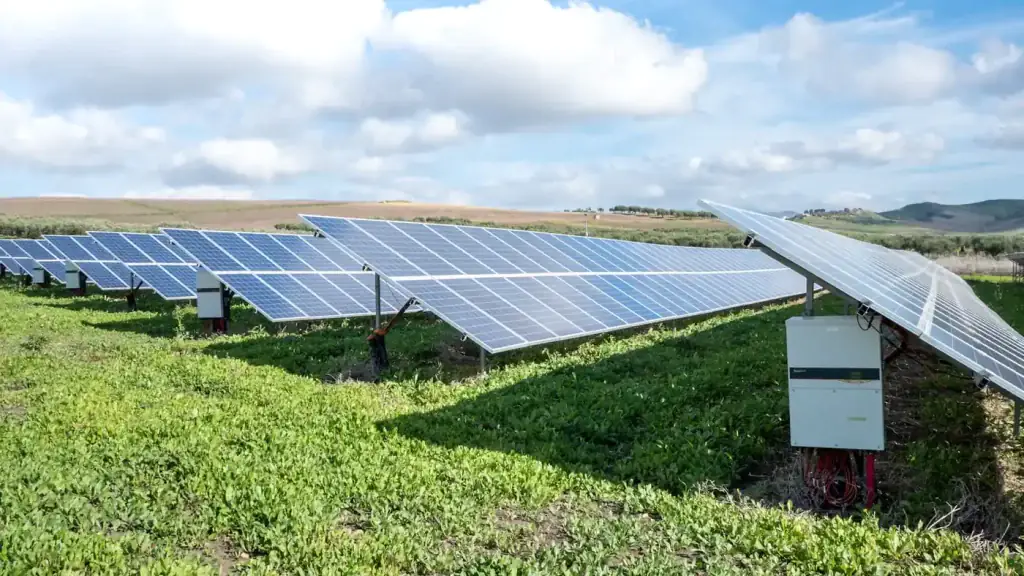
Sustainable finance in Bali is driving growth by integrating environmental and social considerations into investment decisions, promoting economic resilience and development.
Sustainable Finance Bali: A Catalyst for Economic Growth
In recent years, the concept of sustainable finance has gained significant traction in Bali, emerging as a pivotal force in the region’s economic expansion. The global focus on sustainability has prompted investors to seek opportunities that align with environmental, social, and governance (ESG) criteria. This shift is evident in Bali, where sustainable finance is paving the way for a more resilient and inclusive economic future. Bali’s economy, heavily reliant on tourism, agriculture, and small-scale industries, stands to benefit immensely from sustainable finance initiatives designed to balance ecological preservation with economic growth.
Investors are increasingly drawn to Bali’s potential for sustainable development, with the island’s unique biodiversity and cultural heritage offering a compelling case for eco-friendly investments. The integration of ESG criteria into investment strategies is not merely a trend but a necessary evolution to ensure long-term viability and prosperity. As a result, Bali is experiencing a transformative period where sustainable finance is becoming a cornerstone of its economic policy, fostering an environment that supports both growth and sustainability.
Green Finance Bali: Transforming Investment Landscapes
Green finance in Bali is reshaping the investment landscape by prioritizing projects that contribute to environmental sustainability. This approach supports the island’s ecological balance while encouraging businesses to adopt sustainable practices. For instance, the financing of renewable energy projects is a significant focus area, with solar, wind, and hydroelectric initiatives gaining traction. These projects aim to reduce Bali’s reliance on fossil fuels, which currently account for a substantial portion of energy consumption.
In addition to energy projects, green finance is fostering sustainable agricultural practices. With agriculture being a crucial sector in Bali, investments are directed towards organic farming, agroforestry, and water conservation techniques. These initiatives not only contribute to environmental sustainability but also enhance food security and improve livelihoods for local farmers.
Eco-friendly tourism is another area where green finance is making a noticeable impact. By supporting the development of eco-resorts and community-based tourism initiatives, green finance is helping to preserve Bali’s natural beauty while promoting sustainable travel practices. These efforts are critical in reducing the environmental impact of tourism, which is vital for the island’s future.
Sustainability Bali: Integrating ESG Principles
The integration of sustainability principles into Bali’s financial sector is crucial for addressing the challenges posed by climate change and resource depletion. By aligning investment strategies with ESG criteria, financial institutions are not only mitigating risks but also unlocking new opportunities for growth. This shift towards sustainability is evident in various sectors, including tourism, agriculture, and infrastructure development.
In the tourism sector, for example, there is a growing emphasis on sustainable practices such as waste management, energy efficiency, and community engagement. Hotels and resorts are increasingly adopting green certifications, which not only enhance their market appeal but also contribute to the island’s sustainability goals.
In agriculture, ESG principles are guiding investments in sustainable farming practices that promote soil health, biodiversity, and water conservation. These practices are essential for maintaining the productivity of Bali’s agricultural sector, which is a vital component of the island’s economy.
Infrastructure development is another area where ESG principles are making a significant impact. Investments in green infrastructure, such as sustainable transport systems and energy-efficient buildings, are helping to minimize the environmental footprint of urban development in Bali. These initiatives are critical for ensuring that Bali’s growth does not come at the expense of its natural environment.
Key Initiatives Driving Sustainable Finance in Bali
- Renewable energy projects: Investments in solar, wind, and hydroelectricity are reducing reliance on fossil fuels. For example, the installation of solar panels across public buildings and private residences has increased by 30% over the past five years, significantly contributing to the island’s energy sustainability goals.
- Sustainable tourism: Eco-friendly resorts and community-based tourism initiatives are enhancing Bali’s appeal as a sustainable travel destination. The number of eco-certified accommodations has risen by 25% annually, reflecting a growing commitment to environmentally responsible tourism.
- Green infrastructure: Development of sustainable transport systems and green buildings is minimizing environmental impact. Initiatives such as the introduction of electric buses and the construction of energy-efficient public facilities underscore Bali’s commitment to reducing its carbon footprint.
These initiatives not only contribute to Bali’s economic growth but also enhance its reputation as a leader in sustainability. By fostering a culture of environmental consciousness, sustainable finance is helping to secure the island’s future prosperity. The increasing investments in these areas demonstrate a commitment to building an economy that is both resilient and environmentally responsible.
2027 Note: The Future of Sustainable Finance in Bali
As of 2027, Bali continues to evolve as a hub for sustainable finance, with significant progress in green finance initiatives. The island’s commitment to sustainability has attracted global attention, positioning Bali as a model for integrating financial growth with environmental stewardship. With continued investment in sustainable projects, Bali is well on its way to achieving its long-term development goals.
Projections indicate that by 2030, Bali could meet 50% of its energy needs through renewable sources, thanks to ongoing investments in solar and wind energy. Moreover, the expansion of sustainable tourism and green infrastructure is expected to create thousands of new jobs, further boosting the island’s economic resilience.
FAQ
How is sustainable finance contributing to Bali’s development?
Sustainable finance in Bali is contributing to development by supporting projects that align with environmental and social goals, promoting economic resilience and sustainability. By prioritising investments in renewable energy, sustainable tourism, and green infrastructure, sustainable finance is creating a more robust and adaptable economy.
What are the main sectors benefiting from sustainable finance in Bali?
The main sectors benefiting include renewable energy, sustainable tourism, and green infrastructure, all of which are receiving increased investment to foster sustainable growth. These sectors are crucial for reducing environmental impact and ensuring long-term economic stability.
How can businesses in Bali access sustainable finance?
Businesses can access sustainable finance by aligning their projects with ESG criteria and engaging with financial institutions that prioritise environmentally and socially responsible investments. This involves developing clear sustainability goals, implementing robust environmental management systems, and demonstrating a commitment to social responsibility in business operations.