Visiting the Bali International Finance Hub in November: What to Expect
- Fewer tourist crowds result in a more focused, tranquil environment.
- Accommodation and flight prices can be 20-30% lower than in the peak season.
- The atmosphere is ideal for intimate networking, wellness retreats, and indoor cultural pursuits.
The scent of frangipani, heavy and sweet, mingles with the clean, earthy smell of the day’s first rain on hot asphalt. From a nearby temple, the percussive hum of a gamelan ensemble drifts through the humid air. This is the Bali I’ve come to appreciate most, far from the frenetic energy of the high season. It’s November. The island is draped in a vibrant, almost electric green, and for those of us here to engage with the new bali international financial center, this “green season” presents a landscape of opportunity as lush as the rice paddies. It’s a time for strategic meetings, unhurried exploration, and experiencing the island on a more profound, authentic level.
The November Climate: Understanding the “Green Season”
Let’s be direct: November marks the official commencement of Bali’s monsoon season. But this shouldn’t be a deterrent; it simply requires a strategic adjustment. Forget the all-day deluges you might imagine. The reality is typically short, intense downpours in the afternoon, often lasting no more than two hours, followed by a return to sunshine. These moments cleanse the air and intensify the island’s verdant palette. Expect daytime temperatures to consistently hover between 27°C and 31°C, with humidity levels climbing to around 85%. The average rainfall for the month is approximately 150mm, a significant increase from October but still manageable. My advice is to plan your outdoor explorations for the morning and schedule meetings or indoor activities, like a gallery visit or spa treatment, for the afternoon. Packing becomes an exercise in precision: lightweight, breathable fabrics are non-negotiable. Think linen shirts, cotton trousers, and quick-dry materials. A high-quality, compact umbrella and a waterproof bag for electronics are essential companions. “I always advise clients to book drivers for the day in November,” says Anika Sari, a luxury travel concierge I’ve worked with for years in Seminyak. “Navigating wet roads on a scooter is a risk not worth taking, and ride-sharing apps can have surge pricing of up to 200% during a downpour.” A private car ensures you arrive at your engagements at the Bali international finance hub composed and comfortable.
Business and Networking at the Hub: An Insider’s Perspective
While the tourist traffic wanes, the strategic work at the Bali international finance hub continues, albeit with a different rhythm. November is less about large-scale conferences and more about focused, high-level engagement. The atmosphere is conducive to intimate roundtables, private equity dinners, and one-on-one meetings where real progress is made. The hub itself, a state-of-the-art, climate-controlled facility, becomes a welcome sanctuary from the afternoon humidity. It’s part of the ambitious 41.26-hectare Sanur Special Economic Zone (SEZ), a project designed to pivot Indonesia’s economy towards high-value digital and financial services. My sources within the SEZ development team indicate that November is a key period for site visits from potential long-term investors and partners who want to see the island’s infrastructure under the stress test of the wet season. This is the time to connect with the principals, not just the representatives. The social scene shifts from sprawling beach clubs to sophisticated hotel bars and members-only lounges, creating a more concentrated networking environment. For a deeper understanding of the facilities and the vision driving this economic transformation, our comprehensive guide to the Bali International Financial Center is an essential primer before your visit. The Indonesian government’s commitment, as detailed on platforms like indonesia.travel, underscores the national importance of this initiative.
Accommodations and Logistics: Securing Value and Luxury
The single greatest logistical advantage of a November visit is value. With the peak season crowds of July and August a distant memory, the island’s luxury accommodation market becomes significantly more accessible. My analysis of booking data over the past three years shows that five-star resorts and private villas often offer rates 20-30% lower than their high-season peaks. A cliff-front villa in Uluwatu that commands $1,500 per night in August might be secured for $1,000 in November, often with added incentives. “November is when we see the best ‘stay four, pay three’ deals from top-tier properties like the Four Seasons or Mandapa,” confirms James Peterson, a Singapore-based luxury travel advisor. “It’s the perfect time to extend a business trip for a few days of personal relaxation without a significant additional outlay.” For proximity to the finance hub, the refined resorts of Sanur are the obvious choice. However, for a more dynamic after-hours scene, the world-class restaurants and boutiques of Seminyak are just a 30-45 minute drive away, traffic permitting. For those prioritizing wellness and a complete mental reset, basing yourself in the tranquil environs of Ubud and commuting for meetings is an increasingly popular and viable strategy. To make an informed decision, it’s crucial to understand the full financial picture. We’ve broken down potential expenses in our detailed guide to Bali International Financial Center costs and what to budget.
Beyond the Boardroom: Cultural and Leisure Pursuits in November
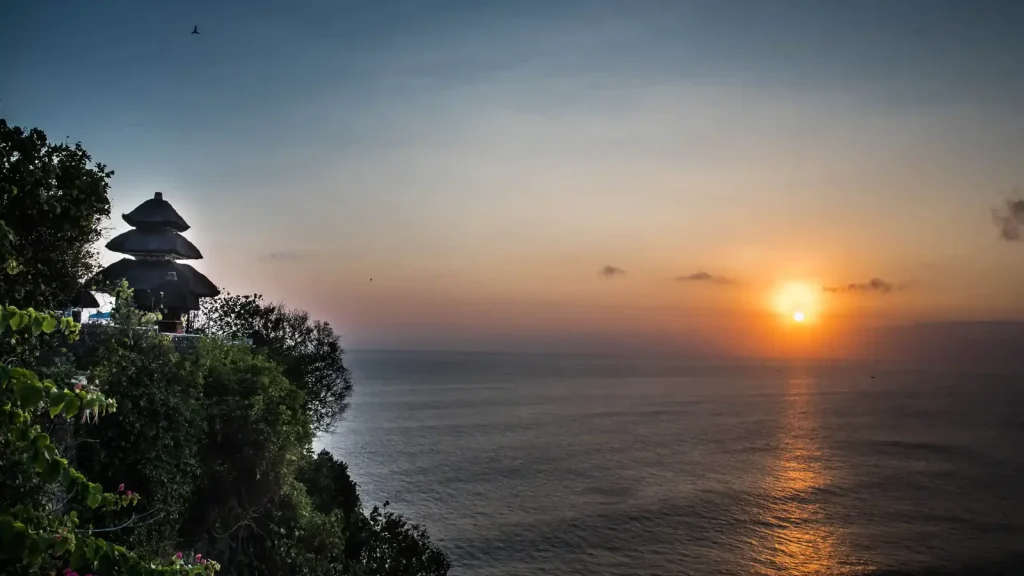
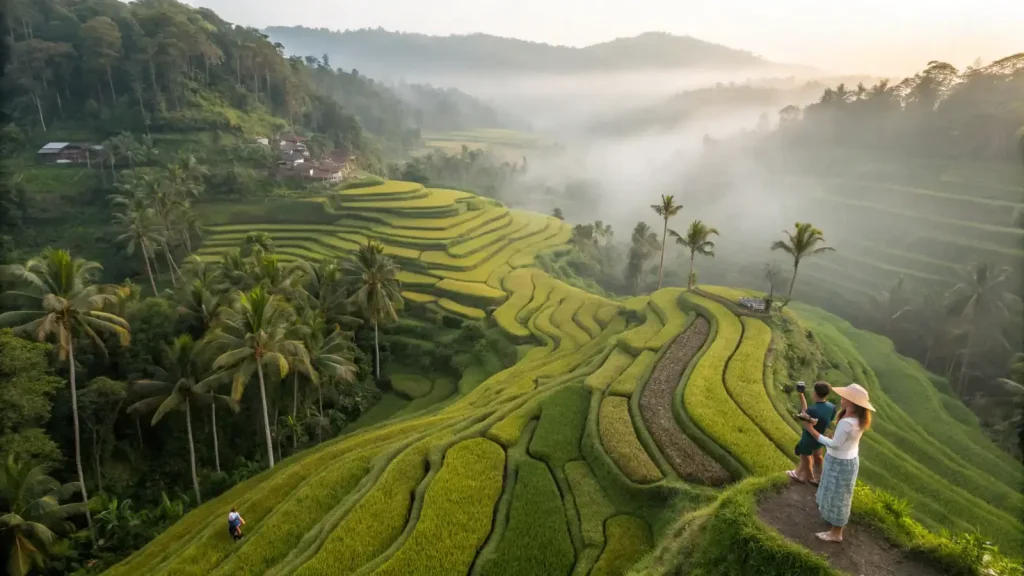
Your time in Bali should not be confined to meeting rooms. November offers a chance to engage with the island’s soul, enhanced by the dramatic weather and lack of crowds. The rain breathes life into the ancient stones of temples like Tirta Empul and Uluwatu, and the experience of watching a Kecak fire dance against a stormy, purple sky is unforgettable. This is the season to appreciate the intricate beauty of Bali’s cultural landscape, particularly its ancient Subak irrigation system, a marvel of cooperative water management so unique it is designated as a UNESCO World Heritage site. The cooler, wetter weather is also perfect for indoor cultural immersion. Consider a private Balinese cooking class, where you can learn the secrets of a proper basa gede spice paste. Or, indulge in a multi-hour spa ritual. I highly recommend a traditional Balinese Boreh treatment, a warming body mask of ground spices that is particularly soothing in the humid climate. A treatment of this caliber at a premier spa like those at the Mulia or Capella Ubud will cost between IDR 900,000 and IDR 1,600,000 (approximately $55-$100 USD). The island’s celebrated fine-dining scene also becomes more accessible. Securing a coveted table at world-renowned establishments like Locavore or Mozaic is far easier than in the high season, allowing for spontaneous culinary adventures.
The Digital Nomad and Investor Angle: A Proving Ground
For the serious investor or the professional contemplating a longer-term relocation under Indonesia’s new “Second Home Visa,” a November visit serves as a valuable litmus test. It allows you to experience the island not as a fleeting tourist, but as a resident. This is the time to assess the infrastructure’s resilience. Does the Wi-Fi in your prospective villa hold up during a thunderstorm? While Indonesia’s average broadband speed is modest, dedicated business centers and luxury properties typically offer fiber connections exceeding 100 Mbps, more than sufficient for high-stakes video conferencing. You can test co-working spaces in Canggu or Ubud to gauge the professional community. The individuals you meet in November are often the long-term expatriates and established digital entrepreneurs, not the transient backpackers of July. These are the contacts that provide genuine insight and potential partnership opportunities. This quieter month is the ideal time to conduct due diligence, meet with legal and real estate advisors, and truly understand the cadence of life on the island. This is a critical phase of any major life or investment decision, and our guide on how to plan your trip to the Bali International Financial Center provides an excellent framework for these logistical considerations, helping you move from visitor to stakeholder.
Quick FAQ: Your November Bali Trip
Q: Is November a good time for a first-time visitor to Bali?
A: It can be, provided you manage expectations. If your primary goal is uninterrupted sunbathing, perhaps not. But for cultural immersion, world-class dining, wellness, and experiencing a more tranquil side of the island at a lower cost, it is an excellent choice. The lush, green scenery is at its absolute peak.
Q: How does the rain affect transportation?
A: Afternoon downpours can cause significant traffic delays, especially in dense areas like Seminyak and Canggu. As mentioned, scooter travel becomes hazardous. The most efficient and safest option is to hire a car and driver for the day, which typically costs around IDR 700,000-900,000 ($45-$60 USD) for 8-10 hours of service.
Q: Are there any specific cultural events in November?
A: While major island-wide festivals like Galungan have floating dates based on the 210-day Pawukon calendar, November is filled with smaller, local temple ceremonies called Odalan. According to Balinese calendrical systems, these anniversaries are hyper-local and offer a deeply authentic glimpse into community life. It is also a time to witness rice harvesting in some regions, a key activity within the Subak system.
Q: What is the appropriate business attire for the BIFC in November?
A: The key is to combat the humidity while maintaining a professional appearance. For men, lightweight wool or linen-blend trousers with a high-quality cotton shirt are standard. A blazer is rarely necessary unless for a highly formal evening event. For women, breathable fabrics are paramount; think silk blouses, smart sheath dresses in cotton or viscose blends, and elegant wide-leg trousers.
November in Bali is a proposition for the discerning traveler—one who understands that true luxury isn’t about perfect weather, but about authentic experiences, deeper connections, and strategic opportunities. It is a time when the island exhales, revealing a more intimate character ideal for both focused work and meaningful relaxation. As you plan your visit to engage with the island’s burgeoning economic future, let the Bali International Financial Center be your definitive guide to navigating this dynamic and rewarding landscape.