The Best Time to Visit Bali’s Financial Center for Business & Leisure

- Peak Business & Networking: May, June, and September offer pleasant weather with fewer tourists than the July-August peak, ideal for focused work and executive networking.
- Optimal Leisure Conditions: The dry season provides perfect conditions for exploring Bali’s cultural sites, beaches, and outdoor dining scenes post-negotiation.
- Shoulder Season Value: April and October present a strategic sweet spot with lower accommodation rates and greater availability before and after the main tourist influx.
The air that greets you on the tarmac at Ngurah Rai International is a familiar, warm embrace, thick with the scent of clove cigarettes and frangipani. But as your private transfer glides away from the airport, the landscape begins to shift. The familiar mix of verdant rice paddies and traditional villages gives way to the clean, architectural lines and forward-facing ambition of Sanur’s latest landmark. You’re here not just for the island’s soul, but for its new economic heart. Timing, as in any successful venture, is everything. Deciding when to visit Bali’s financial center requires a level of strategic planning that mirrors the very business you’ve come to conduct. It’s a delicate calculation of meteorological patterns, cultural calendars, and global business cycles. As your editor at Departures, I’ve learned that the most successful trips are those timed not just for convenience, but for a distinct competitive and personal advantage.
The Dry Season Apex (April – October): The Prime Window for Productivity and Play
For the C-suite executive or discerning investor, the months between April and October represent the pinnacle of opportunity in Bali. This is the island’s celebrated dry season, a period defined by near-endless sunshine, low humidity, and an average daily temperature hovering around a perfect 27°C (81°F). Meteorologically, this is the most stable time to plan your visit. Monthly rainfall averages less than 60 millimeters, a stark contrast to the deluges of January. This translates to predictable travel times between the bali international financial center and your villa in Canggu or resort in Nusa Dua, a critical factor when your schedule is measured in 15-minute increments. The drive from the airport (DPS), a journey of roughly 15 kilometers, becomes a reliable 30-minute affair rather than a potential 90-minute gamble against flash floods.
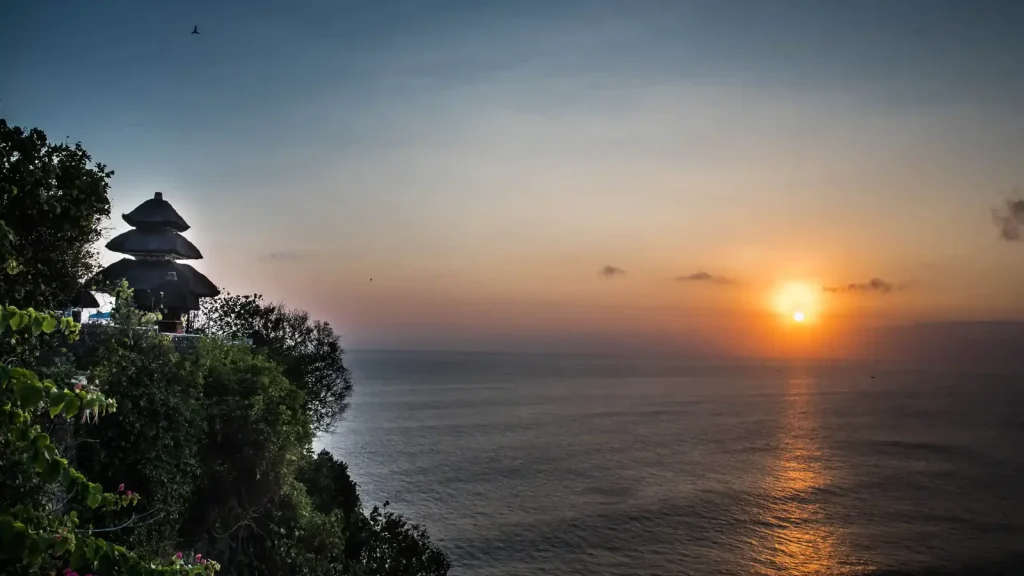
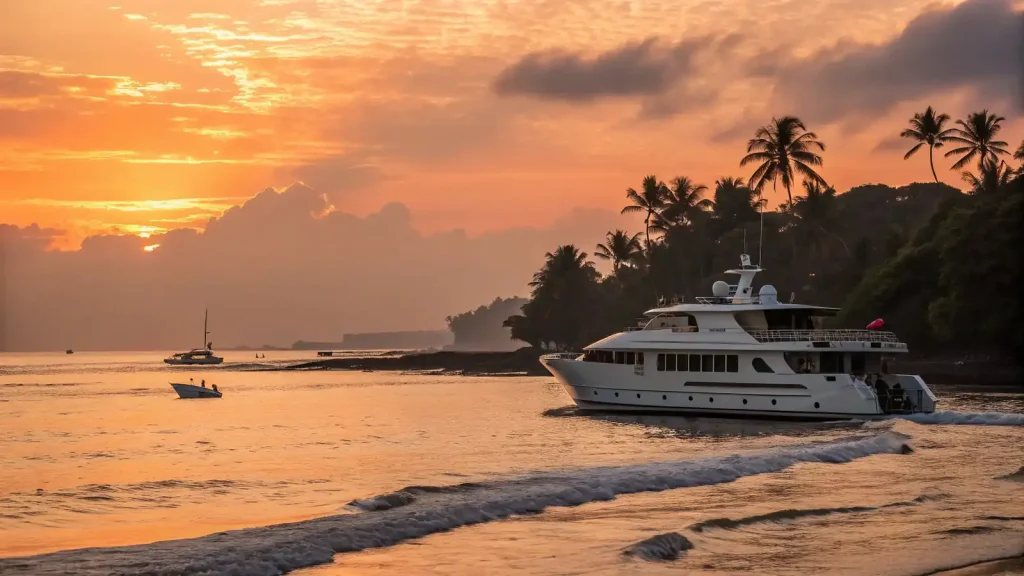
This season is not just about practicalities; it’s about atmosphere. The clear skies and gentle offshore breezes create an environment conducive to both sharp-minded negotiations and restorative leisure. After a day of meetings within the state-of-the-art facilities, the evenings open up to experiences. Think sunset cocktails at La Favela, a dinner reservation at the much sought-after Merah Putih, or a private yacht excursion to the nearby Nusa Islands—all activities best enjoyed without the threat of a tropical downpour. Furthermore, this period hosts significant cultural events like the Bali Arts Festival, which typically runs from mid-June to mid-July. As an executive, integrating such an authentic, high-caliber cultural experience into your itinerary offers an impressive way to entertain clients or reward your team. It’s a demonstration of not just doing business in Bali, but truly understanding it.
Understanding the ‘Wet’ Season (November – March): A Strategic Approach
While the dry season is the obvious choice, the savvy traveler knows that the so-called “wet” season—often rebranded by hoteliers as the “green season”—holds its own strategic advantages. This period, from November through March, is characterized by higher humidity and short, intense bursts of rain, usually in the afternoon. January and February see the peak precipitation, with monthly rainfall often exceeding 350 millimeters. While this can disrupt beach plans, it presents a different kind of Bali: intensely lush, emerald-green landscapes, and a more contemplative, serene atmosphere. For the business traveler focused primarily on indoor meetings at the financial center, the weather is a secondary concern. The primary benefit is value and access.
During these months, luxury accommodation rates can drop by as much as 20-30% compared to the August peak. This makes extending a stay for a few extra days of leisure, or upgrading to a more spacious suite, a financially prudent decision. For a more detailed breakdown of expenses, our guide on what to budget for your trip provides invaluable insights. The tourist crowds also thin out considerably, meaning securing a last-minute table at a top restaurant or a preferred tee time at the Bali National Golf Club becomes significantly easier. One of the most unique experiences occurs during this period: Nyepi, the Balinese Day of Silence, which falls in March. The entire island, including the international airport, shuts down for 24 hours of quiet introspection. For an executive accustomed to a non-stop pace, experiencing this profound cultural event from the comfort of a luxury resort can be a uniquely powerful and restorative exercise in mindfulness, a true disconnect that is the ultimate luxury.
Aligning Your Visit with Key Business & Financial Milestones
Beyond the weather, the most astute time to visit Bali’s financial center is when it aligns with your specific corporate calendar. The rhythm of international business dictates its own seasons. For instance, Q4 (October-December) is a critical time for finalizing year-end deals, budget reviews, and strategic planning for the upcoming year. Hosting an executive off-site in Bali during this period can be a powerful motivator, blending intensive work sessions with rewards. The island’s world-class wellness retreats offer the perfect antidote to stressful end-of-year negotiations. Conversely, Q1 (January-March), despite being in the wet season, is an ideal time for launching new initiatives, hosting sales kick-offs, and setting the tone for the year ahead. The “fresh start” ethos of the new year is mirrored by the vibrant, rejuvenated landscapes of Bali’s green season.
Furthermore, it’s wise to monitor the ASEAN economic calendar. Major summits and investment forums are frequently hosted in Indonesia, and Bali is a preferred location. According to Indonesia’s official tourism portal, indonesia.travel, the nation continues to be a major hub for MICE (Meetings, Incentives, Conferences, and Exhibitions) tourism. Planning your visit to coincide with these events can provide invaluable networking opportunities, putting you in the same room as key regional players and government officials. The comprehensive guide to the Bali International Financial Center outlines the facilities available for hosting such high-level events, ensuring you can leverage the infrastructure for your own strategic purposes. Before booking, cross-reference your travel dates with major Indonesian public holidays to avoid potential slowdowns in administrative or governmental services you may require.
The Cultural Calendar: Weaving Balinese Tradition into Your Itinerary
To truly leverage a trip to Bali, one must look beyond the boardroom and the beach club and engage with its profound cultural soul. The Balinese calendar, or Pawukon, is a complex 210-day cycle that governs the island’s ceremonial life. The most significant of these celebrations are Galungan and Kuningan, a ten-day period that occurs roughly twice a year. During Galungan, the ancestral spirits are believed to visit the earth, and the streets come alive with towering bamboo poles called ‘penjor,’ elegantly decorated with coconut leaves and offerings. This is a visually spectacular time to be on the island. While some small local businesses may close, it offers an glimpse into the heart of Balinese Hinduism. Witnessing these traditions provides a depth of experience that transforms a standard business trip into a memorable cultural immersion. Checking the dates for these holidays when you plan your Bali International Financial Center visit is essential.
Beyond these major festivals, the island’s lifeblood flows through its thousands of temples. Every temple has its own ‘odalan,’ or anniversary ceremony, creating a continuous, island-wide cycle of ritual and celebration. Engaging a knowledgeable local guide can open doors to these events, offering an authentic experience far from the tourist trail. Another profound cultural touchstone is the island’s ancient Subak irrigation system, a marvel of cooperative agricultural engineering so unique it’s been recognized as a UNESCO World Heritage site. A helicopter tour over the Jatiluwih rice terraces or a guided trek through the system offers perspective on the communal and spiritual principles that underpin Balinese society—a valuable lesson in sustainable, long-term thinking for any business leader. Integrating these elements demonstrates a respect and understanding that can be incredibly powerful in building local business relationships.
Shoulder Seasons: The Savvy Traveler’s Secret (April-June & September-October)
For those in the know, the true sweet spot for a visit lies in the shoulder seasons: April through June, and again from September through October. These periods offer the best of both worlds—the glorious weather of the dry season combined with the thinner crowds and better value of the off-season. The intense tourist peak of July and August, driven by European summer holidays and Australian winter escapes, has yet to begin or has just subsided. This means that securing a reservation at a world-renowned restaurant like Locavore or Mozaic doesn’t require booking three months in advance. The island’s premier beach clubs, from Potato Head to Finns, have a more relaxed, exclusive atmosphere.
From a business perspective, this is an optimal time. Your counterparts are not yet overwhelmed by the peak season rush, potentially allowing for more focused and productive meetings. I spoke with Alain Dubois, the General Manager at a prominent Seminyak resort, who noted, “In May, our occupancy is a healthy 85%, but in August, we are at 100% with a waitlist. The shoulder season allows my staff to provide the truly bespoke, attentive service our executive guests expect.” This sentiment echoes across the luxury sector. You’ll find greater availability for top-tier villa rentals and more flexibility from service providers. For anyone looking to blend a demanding work schedule with the highest echelons of Balinese leisure, these months provide the perfect equilibrium. It’s the time to visit Bali’s financial center when you want to maximize both your professional and personal return on investment.
Quick FAQ: Your Pressing Questions Answered
What is the absolute peak tourist season to be aware of?
The undisputed peak season is July and August, coinciding with international school holidays and summer in the northern hemisphere. A secondary peak occurs around the Christmas and New Year period, from late December to early January. Expect maximum crowds, peak pricing for flights and accommodation, and heavier traffic during these times.
Is ground transportation significantly impacted during the rainy season?
Yes, significantly. From November to March, heavy afternoon downpours can cause localized flooding and major traffic congestion, particularly in dense areas like Kuta, Seminyak, and Canggu. It is wise to budget at least 30-50% extra travel time for any scheduled appointment during these months. Ride-hailing app availability can also be reduced during peak rain.
How far in advance should I book for a prime dry season visit?
For travel during the peak months of July and August, it is recommended to book international flights 4 to 6 months in advance. High-demand luxury villas and suites at top resorts should be secured 6 to 9 months prior, especially if you have specific requirements. For the shoulder months like May or September, a 3-month lead time is generally sufficient.
Are business facilities at the financial center fully operational year-round?
Absolutely. The bali international financial center and its associated services operate on a global business schedule, independent of local tourism seasons. Core infrastructure, high-speed internet, and support services are maintained at 100% capacity throughout the year, ensuring seamless operations whether you visit in rainy January or sunny August.
Ultimately, the perfect time to visit is a personal equation, balancing the demands of your industry with your desire for cultural discovery and relaxation. Whether you choose the vibrant energy of the dry season or the contemplative calm of the green season, timing your trip thoughtfully is the first step toward a successful and enriching experience. By aligning your visit with the island’s natural and cultural rhythms, you position yourself not merely as a visitor, but as an astute participant in its dynamic future. The opportunities are here, waiting in a place where global finance meets timeless tradition. Explore what the bali international financial center can do to facilitate your next venture.