
Survey & site visits · the programme
The investment survey trip
Two to seven days that compress months of desk research into things you can only learn standing on the plot: the access road, the noise at 7pm, and whether the neighbour is building something.
Figures dated 7 August 2026
01 — The arc
How a survey trip actually runs
Not a holiday with meetings in it. The schedule is built backwards from what you need to decide, and the rest days are placed on purpose.
-
Two to three weeks out
Briefing call
Sector, budget band and the decision you are trying to reach. Nothing is booked before this — a route built without it is a tour.
-
One week out
Draft route, then lock
Geography balanced against who is actually available. The sequence only fixes once local stakeholders have confirmed, because a route that assumes them falls apart on day two.
-
Day 1
Arrival and the first corridor
One corridor a day. Canggu, Pererenan and Tabanan for coastal villas; Uluwatu and the Bukit for cliff and hotel plots.
-
Days 2 – 3
Inspections and stakeholder meetings
Six to nine assets over three days, plus two to four meetings with brokers, architects, landowners or marina operators.
-
Each evening
Debrief while it is still fresh
One session per day. Shortlists move most on the evening of the day you saw the site, not a week later from photographs.
-
Optional
Outer islands or a marine segment
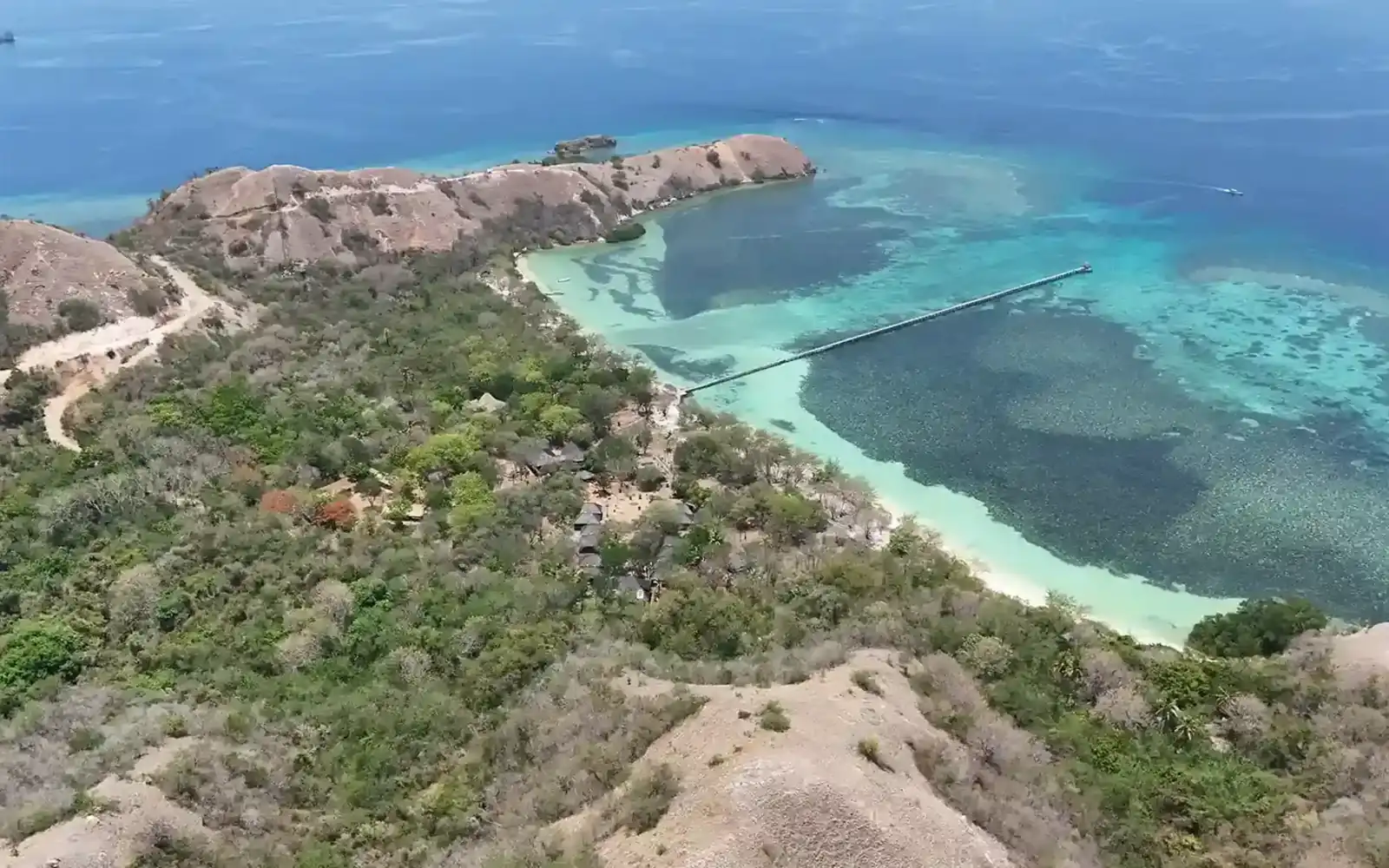
A domestic flight of an hour to ninety minutes opens Flores, Sumba or Komodo; a liveaboard segment runs two to seven nights. Which regions are worth combining is set out on the routes page.
-
After you fly
The document pack
Site-by-site notes, GPS pins, photo sets, meeting summaries and a next-steps memo. Explicitly non-binding and non-legal.
This platform is independent and not affiliated with the Indonesian government or with any official Bali International Financial Center authority. The work here is orientation, logistics and coordination; legal, tax and regulatory questions go to licensed specialists.
02 — Shape
What a trip costs and covers
Indicative and non-binding, as of August 2026. Acquisitions are not in this figure.
- Duration
- 2 – 7 days
- Inspections
- 4 – 12
- Trip budget
- from USD 1,500
- Meetings
- 2 – 4 per day
Two to three for one corridor, five to seven with an island leg
Six to nine is typical over three days
Excluding acquisitions. Component rates are on the concierge desk
Brokers, architects, landowners, marina operators
The spread is driven by how many nights, which vehicle class, and whether a yacht or liveaboard segment is added. Season moves it too — availability tightens across the June to August peak.
03 — Against the alternatives
Three ways to assess an asset you have not seen
A trip is not always the right answer. It is the right answer at a specific point, and it is worth knowing which point.
| Dimension | Desk research Listings and calls | Send an agent Someone else looks | Go yourself Survey trip |
|---|---|---|---|
| What you learn | Asking price, photographs, whatever the listing chose to include | What your agent thought to check, filtered through their brief | Access road, topography, utilities, view corridors, and the neighbourhood at the hour you stand in it |
| What it costs | Time only | A fee, plus the cost of a brief that was not quite right | from USD 1,500for two to seven days, excluding acquisitions |
| How long | Weeks, spread thin | Days, then a wait for the report | Two to seven days, decided at the end of them |
| What it misses | Everything physical. Traffic, noise, drainage, smell, the half-built structure next door | Whatever you did not know to ask for | Formal title verification, which is a licensed job and happens afterwards |
| When it is enough | Building a longlist | Re-checking a site you have already walked | Before you engage lawyers or sign anything binding |
The three are sequential rather than exclusive. Desk research builds the longlist, the trip cuts it, and licensed due diligence clears whatever survives.
04 — Before you book the month
What a survey trip cannot do, and when not to come
Two separate problems: expecting the wrong output from the trip, and picking a month that will not deliver it.
The assumption
Any month works — it is a tropical island.
What actually happens
December to February brings rougher crossings, occasional reshuffles, and bays that go temporarily unusable for tender landings. Marine days get buffered and the critical meetings get parked on land.
The assumption
Avoid the peak season crowds.
What actually happens
June to August squeezes villa availability and meeting slots — but it is also the only honest read on traffic, noise and crowd levels in the months the asset would actually trade. Coming in the quiet season flatters every site you look at.
The assumption
We checked the documents on site.
What actually happens
What gets collected on site is a certificate scan, a location sketch and any zoning references the broker will share. Formal verification is a licensed notary's work and happens after you fly home, not on the plot.
The assumption
The trip settles it.
What actually happens
It settles whether an asset is worth paying a lawyer to examine. That is a real and expensive question to answer — but the memo you leave with is explicitly non-binding and non-legal.
Marine segments are planned with contingency for exactly this reason. April to November is the more predictable window around Komodo; the rest is booked knowing it may move.
What is an investment survey trip?
A structured visit built around seeing shortlisted assets on the ground, meeting the local stakeholders attached to them, and collecting practical information for the legal and financial work that follows. It is not a holiday — the schedule runs on inspections, meetings and debriefs, with drivers, translation and logistics arranged in advance.
How many sites fit into three days?
Six to nine primary sites, plus opportunistic stops to check access roads and nearby comparables. Traffic, the distance between corridors and meeting lengths decide the exact number. Outer islands, yacht inspections or a resort masterplanning session each need their own day.
Who comes on the visits?
A sector-focused consultant, a driver, and where it helps a bilingual assistant. Brokers and owners join at their own properties, and a charter operator or cruise director covers the operational side of any marine segment. Licensed lawyers or tax advisers attend pre-arranged orientation meetings only, not every field visit.
What do I leave with?
A site-by-site recap with map links and photo folders, meeting summaries, and a non-binding orientation memo listing action items. Where brokers or owners provide them, basic document copies are collated. Formal legal opinions, notarised translations and financial models are produced afterwards by licensed partners.
How is the itinerary built?
Three steps: a video call to define priorities, a draft route balancing geography against meeting availability, and a final confirmation once local stakeholders are locked. Travel times, seasonality and any add-ons are factored in before anything is booked.
Send the shortlist, get a route back
Tell us which assets you are weighing and roughly when you can travel. You will get a draft route with the corridors sequenced, drive times checked, and an honest note on whether that month suits what you need to see.