
Bali Hospitality Numbers To Know 2027
Bali hotel occupancy in 2027 is widely projected in the 68–75% range on a full-year average, with South Bali prime areas already tracking above 70% in high
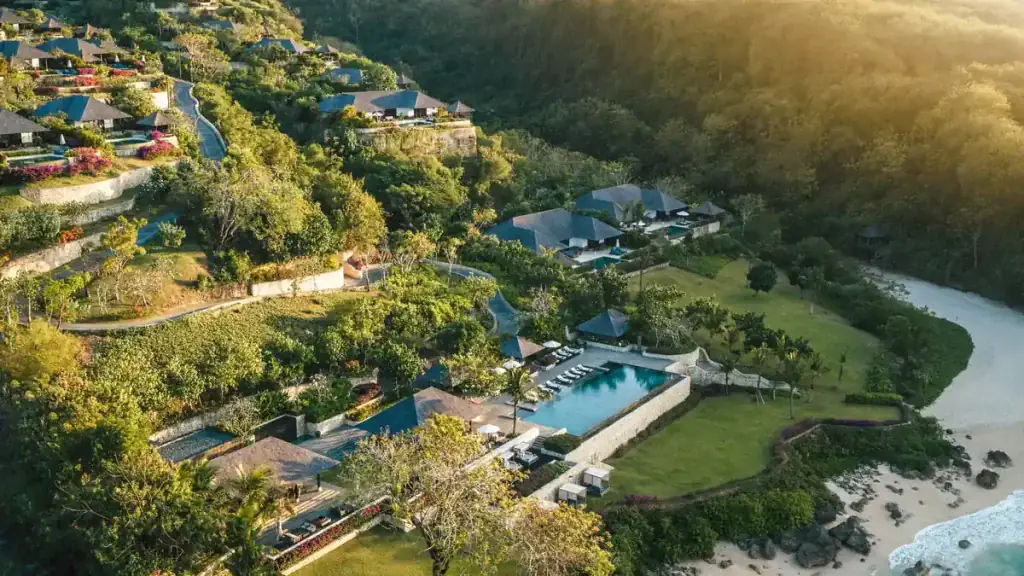
Bali hotel occupancy in 2027 is widely projected in the 68–75% range on a full-year average, with South Bali prime areas already tracking above 70% in high season as of August 2026. Actual occupancy in 2027 will depend on airline capacity, visa policy stability, and completion timing of new room supply across Bali.
What does bali hotel occupancy 2027 mean for realistic ROI expectations?
By 2024–2025, many South Bali hotels had already returned to average occupancies in the mid‑60% to low‑70% range, with peak months above 80% in Kuta–Legian and Canggu–Seminyak corridors. Forward bookings and airline capacity plans through 2026 suggest that Bali hotel occupancy in 2027 is likely to stabilise around 68–75% for well‑positioned assets.
This matters directly for hospitality roi bali. A typical roi on bali hotel investment is driven more by achieved average daily rate (ADR) and cost control than headline occupancy, but higher stable occupancy reduces volatility and supports financing discussions. For conservative modelling, investors are using 60–65% base‑case occupancy for 2027 with upside scenarios to 75%, depending on brand, management strength, and distance to the beach.
Foreign investment in bali hospitality must also factor ramp‑up periods: new hotels often spend 12–24 months below market occupancy while building distribution and reviews. For buyers of existing income‑producing hotels, 12‑month trailing performance remains the key document, more than any generic 2027 forecast.
Where are the most resilient bali hotel investment opportunities by area and segment?
Bali hospitality investment is not moving uniformly. As of August 2026, three clusters are driving most bali hotel investment opportunities: South Bali (Canggu–Seminyak–Legian–Kuta), Uluwatu–Jimbaran, and Ubud–central highlands. Prime beachfront strips remain constrained by limited bali hotel land for sale, pushing more investors to second‑row or clifftop concepts.
In South Bali, occupancy recovery has been strongest in lifestyle‑driven boutique hotels and beach club‑adjacent properties, supported by the same dynamics covered in our analysis of beach club investment 2027. Ubud and the north‑east wellness corridor show slightly lower but steadier occupancies, with longer average length of stay and higher share of retreat and villa bookings.
For 2027‑forward planning, many investors are looking at hybrid models: small bali beachfront hotel investment projects combining hotel keys with branded residences or extended‑stay units. This structure can diversify bali hotel investment returns between nightly rates and longer leases, especially in markets such as Canggu, Berawa, and Pererenan where digital‑nomad demand overlaps with tourism.
Beyond Bali, our Labuan Bajo desk is seeing rising interest from Bali‑based investors looking to diversify. For those considering a dual‑destination strategy, review the dedicated Labuan Bajo investment desk briefing.
How much bali hotel development cost should investors budget for 2027 projects?
Construction and bali hospitality development cost have risen materially since 2020 due to labour, materials, and compliance. As of August 2026, well‑specified 3–4 star bali hotel development cost (excluding land) often ranges from modest local builds up to international‑standard fit‑outs, depending on finishing quality and imported components.
For 5‑star and luxury boutique concepts, investors planning 2027 openings should expect significantly higher per‑key costs, especially for ocean‑view and clifftop sites that require more intensive engineering. Bali hospitality real estate investment also faces increased spending on sustainability, wastewater treatment, and fire‑safety upgrades, which are now standard expectations from global operators and OTA partners.
Because each district applies its own technical and zoning requirements, early coordination with local architects and engineers is essential. A disciplined bali hotel feasibility study will stress‑test both capex and opex using updated supplier quotes, realistic timelines, and contingency allowances; these studies are a core element of bali hospitality investment consulting engagements in our network.
What should buyers of existing hotels know about bali hotel for sale investment dynamics?
Inventory of bali hotel for sale investment opportunities has increased since 2023 as some early‑cycle owners exit and others restructure portfolios. As of August 2026, offerings range from distressed assets needing heavy renovation through to stabilised beachfront hotels with multi‑year performance history and established brands.
Key diligence items include title status, building permit compliance, historical occupancy and ADR, and any existing operator contracts. For foreign investors, asset acquisition is usually structured via an Indonesian company vehicle rather than personal title; our role as a bali investment concierge for hotel projects is to coordinate licensed legal and tax partners, not to provide legal advice directly.
Bali hotel investment returns on stabilised assets are commonly presented as yield ranges rather than fixed promises. Actual performance will depend on location, positioning, management quality, and capital structure. For investors planning repositioning or rebranding, it is critical that the business plan models a period of lower occupancy during transition, even if the physical asset remains open.
How do regulations, visas, and incentives affect hospitality investment bali?
Foreign investment in Bali hospitality operates under national Indonesia hotel investment frameworks, supplemented by local zoning and tourism regulations. Rules can change, and detailed interpretation must come from licensed Indonesian legal and tax advisors. Our desk does not provide legal or financial advice; we coordinate introductions only.
As of August 2026, investors typically use a foreign‑investment company structure for bali hotel investment, with minimum capital requirements aligned with national standards. Bali hotel investment visa requirements are usually met via investor or director visas tied to that company, alongside work permits for key foreign staff where permitted.
Any bali hotel investment regulations and bali hospitality investment incentives tied to special economic zones or the evolving Bali International Financial Center initiative must be understood with care. This site is an independent platform by Juara Holding Group and not affiliated with any government or official IFC authority. Where incentives exist, they may relate to tax, customs, or licensing streamlining, but details and eligibility must be confirmed directly with authorised bodies.
How do on‑the‑ground logistics and aftercare shape bali hospitality investment performance?
Numbers on a spreadsheet only materialise if operational logistics are well‑managed. Serious investors usually schedule a structured bali hospitality investment tour package before committing, combining site inspections with meetings with architects, operators, and legal counsel. Many use an executive private driver bali service to keep movements secure and efficient across multiple districts.
After closing, long‑term value depends on disciplined asset oversight. For remote or portfolio investors, outsourcing day‑to‑day supervision to a professional asset supervisor can help align operator performance with owner objectives. Services in our network, including bali asset management aftercare, focus on reporting, budgeting support, and regular site reviews rather than hotel‑level management.
Investors should set clear KPIs linked to occupancy, ADR, GOP margins, and capex plans, reviewed at least quarterly. For bali beachfront hotel investment assets in particular, ongoing maintenance and erosion management are critical cost items that need early planning rather than reactive spending.
- Typical PT PMA minimum capital for Indonesia hotel investment is IDR 10 billion as of August 2026, based on official guidance referenced by our Labuan Bajo advisory partners.
- Live market listings for bali hotel land for sale can range widely by district and beach access; a structured search and valuation benchmark is recommended before bidding.
- A bali hotel feasibility study commonly includes 5–10 year demand projections, seasonality curves, ADR assumptions, and scenario analysis for 50–80% occupancy.
- Bali hospitality development cost budgets should include at least 10–15% contingency as of August 2026 due to material price and labour cost volatility.
- Standard survey trips for bali hotel investment often run 3–5 days, combining priority sites across South Bali, Ubud, and one emerging area such as the east or north coast.
- Bali hospitality investment tour package logistics can integrate VIP airport fast‑track, chauffeured vehicles, and staffed private villas as a secure operational base.
- Professional bali hospitality investment consulting engagements usually start with a desktop review of project documents before any site‑specific fieldwork is scheduled.
Frequently asked questions
Bali Hospitality Numbers To Know 2027?
For 2027, most institutional models assume Bali hotel occupancy in the 68–75% range for mature, well‑located properties, with high season months frequently above 80% in South Bali. Investors should, however, use more conservative 60–65% base‑case assumptions in feasibility models and treat anything above that as upside dependent on execution.
What roi on bali hotel investment is realistic in 2027?
There is no single benchmark for bali hotel investment returns. Hospitality roi bali depends on leverage, management, and positioning. Investors typically focus on stabilised EBITDA yields and long‑term capital appreciation, not headline percentages. Independent feasibility studies and operator budgeting remain the most reliable tools for setting realistic expectations by asset and submarket.
How can a bali hospitality investment tour package help my decision process?
A structured bali hospitality investment tour package compresses months of online research into several focused days. It allows investors to compare bali hotel development opportunities, inspect bali hotel land for sale, and meet architects, operators, and legal advisors in person. This on‑the‑ground context is essential for validating assumptions in any investment memorandum or financial model.
What are typical risks in bali beachfront hotel investment?
Bali beachfront hotel investment carries additional exposure to erosion, coastal setbacks, climate‑related weather events, and title complexity near village land. Development cost and insurance premiums may be higher. Proper technical and legal due diligence, including shoreline assessments and zoning confirmation, is critical before committing to construction or major renovation capex.
How does Bali compare to other Indonesia hotel investment locations?
Bali remains Indonesia’s most liquid and data‑rich hospitality market, with stronger year‑round demand and established operators. Other areas, such as Labuan Bajo, Sumba, and Raja Ampat, may offer lower entry land prices or first‑mover advantages but with thinner data and more volatility. Many investors pair a Bali asset with one emerging‑destination asset to balance risk.
For a structured 2027–forward briefing on bali hotel investment, orientation on visa and regulatory pathways, or to plan a tailored site‑inspection program, contact the JHG investor desk via WhatsApp 6281128590000 or email sales@balipremiumtrip.com (BD desk Juara Holding Group).
Last updated 7 August 2026