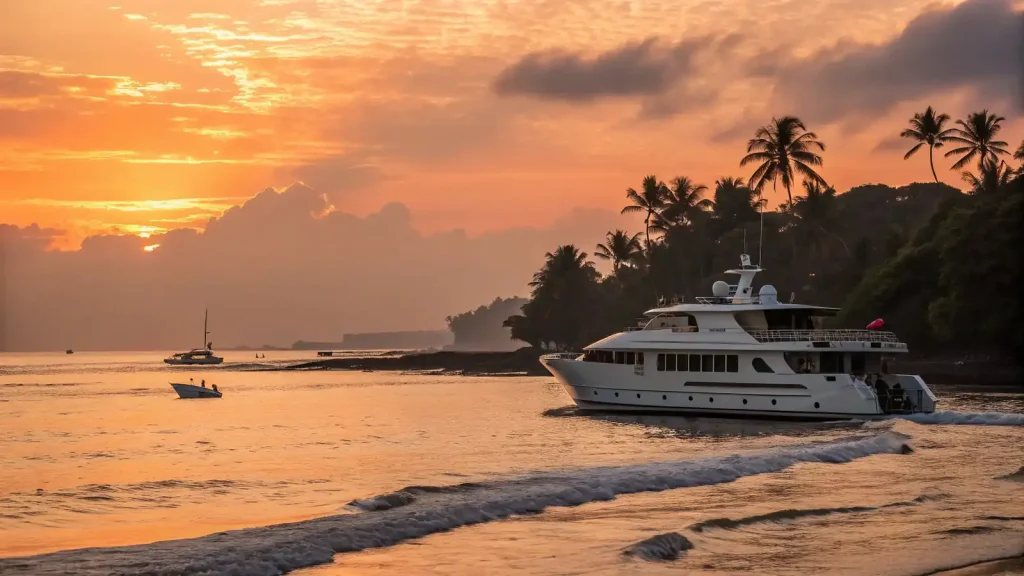
Sanur-Benoa: The KEK Side Of Bali 2027
Sanur–Benoa investment in 2027 is about positioning beside Bali’s only dual health–tourism Special Economic Zone (KEK) and its primary yacht harbor. Land-l
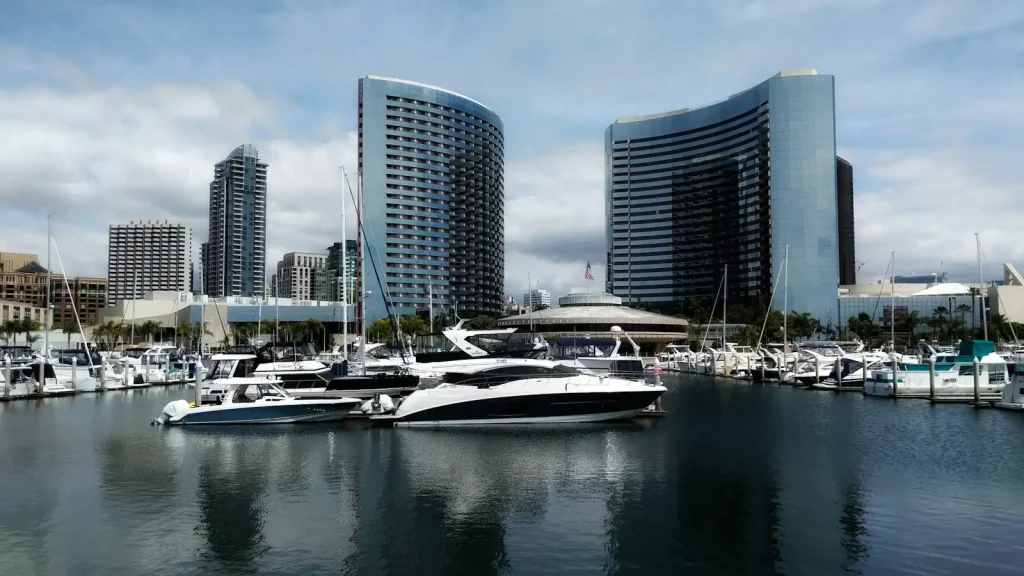
Sanur–Benoa investment in 2027 is about positioning beside Bali’s only dual health–tourism Special Economic Zone (KEK) and its primary yacht harbor. Land-lease and equity participation tickets commonly start around USD 500,000–2,000,000 as of August 2026, with publicly reported hospitality yields in mature Bali areas often in the 6–10% annual range, depending on leverage, brand, and location.
Why is Sanur–Benoa suddenly a serious KEK investment discussion for 2027?
Sanur–Benoa is moving from legacy resort strip to structured Special Economic Zone play. The designated Sanur Health and Tourism KEK focuses on integrated medical tourism, hotels, MICE, and marina access. That KEK framework is designed by the state, but this site is an independent Juara Holding Group information desk, not an official government channel.
By 2027, investors tracking sanur health and tourism kek investment are mainly targeting three layers: land-backed hospitality (beachfront and second-row), equity in operating hotels, and ancillary businesses such as clinics, diagnostics, and rehab centers. Public documents around KEK policy highlight simplified licensing, potential tax facilities, and priority infrastructure, though the exact mechanics depend on the implementing regulations in force at the time of entry.
The medical-tourism thesis leans on Bali’s existing international patient flow (elective surgery, wellness, fertility, and longevity programs). For kek sanur medical tourism investment opportunities, the logic is to capture higher-spend visitors needing reliable hospitals, step-down recovery rooms, companion-friendly hotels, and seamless transfers from Ngurah Rai Airport and Benoa Harbor.
What kind of hospitality and medical assets are emerging between Sanur and Benoa?
In practical terms, sanur benoa investment is clustering along three corridors: the main Sanur beach line, the bypass toward Benoa, and the port-facing belt.
First, bali sanur kek beachfront property investment remains scarce and premium. Most plots are smaller infill or redevelopment deals rather than greenfield. Investors typically work through long-term leasehold via a foreign-investment company (PT PMA) or joint ventures with local landowners. Returns for sanur kek hotel and hospital investment returns are highly deal-specific, but market conversations in 2026 reference gross operating profit margins in the mid-20% range for well-run, branded assets once stabilized.
Second, bali beachfront resort investment on the Benoa side is increasingly tied to marina, cruise-tender, and yacht-berth access. This supports integrated resorts that can offer both medical and leisure packages. Finally, smaller-scale bali hospitality investment in sanur—boutique hotels, serviced apartments, recovery villas—still sees interest from family offices seeking a blend of lifestyle use and income, provided zoning and licensing align with KEK parameters.
As of August 2026, serious underwriting requires updated KEK masterplans, latest land-use maps, and clarity on which parcels sit formally in or just outside the zone.
How do Sanur–Benoa and Benoa Marina connect to liveaboard and yacht investments?
Sanur and Benoa function as Bali’s main marine gateway towards Nusa Penida, Komodo, and eventually Raja Ampat. For investors, that means marina bali investment opportunities now intersect with both medical tourism and liveaboard logistics.
Benoa Harbor is the key staging point for a bali yacht charter business indonesia, with Komodo Luxury (within the broader network) already coordinating 240+ vessels across Indonesia since 2015. Marina-side plots and service businesses—maintenance, provisioning, crew training, premium lounges—become natural bolt-ons to hospital and hotel assets in the KEK corridor.
For private charter liveaboard indonesia models, Benoa often serves as a start or end point for repositioning trips across seasons. Prospective buyers assessing bali liveaboard investment opportunities typically want to understand both capital cost (new-build vs. purchase) and operational basing (Benoa, Serangan, or Labuan Bajo). As of August 2026, custom phinisi construction ranges around USD 100,000–1,000,000+ depending on size and finish, with timelines from 10–36 months; these vessels can be home-ported in Labuan Bajo but marketed via Bali.
Parents often ask: is komodo liveaboard safe for kids? Operators with the right safety culture, crew training, and insurance routinely host families, but route selection (calmer seasons) and vessel class are crucial. Those operational details directly affect insurance, ticket pricing, and brand positioning for family-oriented charters marketed from Sanur–Benoa.
What are the entry logistics: companies, visas, and practical timelines?
Serious sanur benoa investment generally runs through a foreign investment company, not personal ownership. Public guidance for company formation in bali indonesia typically points to using a PT PMA structure, with minimum paid-up capital often cited around IDR 10 billion for investment-focused entities in tourism and property, as of August 2026.
How long does it take to register a company in bali? With a coordinated local consultant and complete documents, straightforward PT PMA setups are often quoted in the 4–8 week range, but timing depends on business classification, shareholder structure, and any additional sectoral permits.
On the residency side, bali investor kitas requirements commonly involve proof of shareholding in the PT PMA, minimum investment thresholds, and standard immigration background checks. Our role as an investor desk is orientation: visa and legal specifics are handled by licensed law and immigration partners on the ground.
Because many investors are globally mobile, questions about tax on offshore income for bali residents and the best private banks for expats in indonesia come up early. That is where a licensed tax adviser and private banker are essential; the desk can coordinate introductions but cannot provide tax or banking advice. For broader structuring options, the in-house bali business consultant guide helps map the decision points before any funds move.
What about liveaboard budgets, harbor formalities, and risk management?
From Sanur–Benoa, investors often expand their thesis to include yachts or liveaboards serving Komodo, Alor, Banda, and Raja Ampat. A recurring planning question is: how much does a bali liveaboard cost for guests, and what budget needed to start liveaboard in indonesia as an owner?
As of August 2026, guest pricing typically ranges roughly from USD 150–250 per person per night for budget boats, USD 250–500 for midrange, and USD 500–1,000+ for luxury. For owners, a professional-grade, 20–30 m phinisi might require USD 250,000–500,000+ to build, plus working capital for crew, fuel, docking, insurance, and marketing.
Operationally, every voyage must secure harbor master spb port clearance indonesia (Surat Persetujuan Berlayar) from the relevant port authority. Investors need to factor in time, compliance costs, and the reputational risk of any shortcuts. Safety, classification, and documentation standards are also increasingly scrutinized by international partners.
Bali investment risks in this segment include regulatory shifts on marine parks, environmental compliance, overcapacity in certain routes, currency fluctuations, and concentration risk if the business relies heavily on one source market. Diversifying routes (e.g., adding a Raja Ampat investment trip product), customer segments, and sales channels is a common mitigation strategy.
How can an investor structure an on-the-ground Sanur–Benoa visit in 2027?
By 2027, the more sophisticated approach is to treat Sanur–Benoa as a regional hub rather than a single-asset target. A typical bali financial center investment opportunities tour around this KEK corridor can include hospital briefings, hotel site inspections, marina and port meetings, and a liveaboard or yacht day-trip component.
Inbound, many investors use VIP airport fast-track immigration (Ngurah Rai) via the Bali Premium Trip channel, where fast-track services start from about USD 160 as of August 2026. A bali concierge and executive assistant for travel can then coordinate drivers, villa or hotel base, and short hops to Benoa Harbor or Sanur beaches.
Those conducting comparative analysis often extend to Labuan Bajo and Raja Ampat to evaluate Bali tourism development projects versus frontier eco-resort and marina plays. For example, outbound flights from Bali to Labuan Bajo take about 1–1.25 hours, followed by harbor inspections and property tours organized through the Komodo Luxury and InvestLabuanBajo desks.
To time all this efficiently, many guests check the group’s calendar on the best time investment trip bali overview, then blend several destinations into a single 7–14 day program.
- Standard PT PMA tourism-investment minimum capital often cited: IDR 10 billion as of August 2026 (subject to regulation and sector classification).
- Typical PT PMA registration timeline: 4–8 weeks from complete documentation, depending on OSS and sector licenses.
- Komodo private phinisi charter rates: approximately USD 3,500–8,000 per day; flagship options around USD 30,000 per night as of August 2026.
- Raja Ampat open-trip liveaboard: around IDR 8,000,000 per person for 4D3N in high season; longer 7–10 day trips around IDR 25,000,000–60,000,000+ per person.
- VIP airport fast-track at Bali: service commonly starts from about USD 160 per arrival or departure as of August 2026.
- Indicative phinisi construction budgets: from about USD 100,000 for basic 20–25 m builds to USD 1,000,000+ for 25–40 m luxury yachts.
- Typical private touring car with driver in Bali: around USD 250 per day for premium chauffeured service as of August 2026.
Frequently asked questions
Sanur-Benoa: The KEK Side Of Bali 2027?
Sanur–Benoa in 2027 represents Bali’s most mature attempt to pair a health-and-tourism KEK with a functioning yacht and cruise harbor. Investors focus on hotels, hospitals, recovery villas, and marina-linked assets. The key is understanding which parcels and projects sit inside the KEK framework and how that affects licensing, tax facilities, and long-term positioning.
What are realistic sanur benoa investment entry tickets for 2027?
Entry tickets vary widely. Passive equity in small hospitality or medical projects may start around USD 250,000–500,000, while controlling stakes in bali beachfront resort investment or marina-adjacent hotels often require USD 1–5 million or more. Ticket size depends on land component, brand, construction status, and leverage. Advisory teams typically validate numbers against updated KEK and zoning data.
How do Bali KEK projects compare with frontier areas like Raja Ampat or Sumba?
Sanur–Benoa offers infrastructure, medical depth, and airport proximity, with correspondingly higher land and project prices. Frontier regions such as Raja Ampat and Sumba generally have lower land costs but tighter environmental and adat frameworks, plus more complex logistics. Many portfolios blend a mature Bali anchor with one or two higher-risk, higher-impact eco or marine assets selected from curated bali investment opportunities.
Can a single structure cover both property and liveaboard/yacht investments?
Often yes, via a group or holding arrangement using multiple PT PMA entities, but the exact configuration depends on sector classifications, partners, and exit plans. Some investors separate real estate, operating companies, and vessels to ring-fence risk. Any structure must be designed with licensed legal, tax, and accounting professionals; the desk coordinates but does not draft or opine on such structures.
How should families evaluate Bali and Komodo liveaboard safety?
Families should look at vessel class and build, safety equipment, crew training records, insurance coverage, and emergency procedures. Seasonality matters: calmer months in Komodo (commonly April–November) are preferred for children. Choosing operators with consistent compliance on harbor master SPB, marine-park rules, and transparent communication significantly reduces operational risk for kid-inclusive itineraries.
What’s the best way to combine Sanur–Benoa KEK due diligence with a wider Indonesia survey?
A common pattern is 3–4 days in Sanur–Benoa for KEK briefings, hospital and hotel tours, plus marina meetings, then 3–7 days in Labuan Bajo or Raja Ampat on a survey charter. A bali concierge and executive assistant for travel can integrate VIP airport handling, ground transfers, villas, and liveaboard segments into a single, documented itinerary for decision-makers and their advisers.
For a 2027–forward investor orientation itinerary around Sanur–Benoa, KEK assets, and marine-tourism options, contact the BD desk of Juara Holding Group via WhatsApp 6281128590000 or email sales@balipremiumtrip.com.
Last updated 7 August 2026