
Raja Ampat Eco-Models For 2027
By 2027, mainstream operators quote eco-resort yields in Raja Ampat at roughly 6–12% annualized ROI, depending on leverage, occupancy, and build standard,
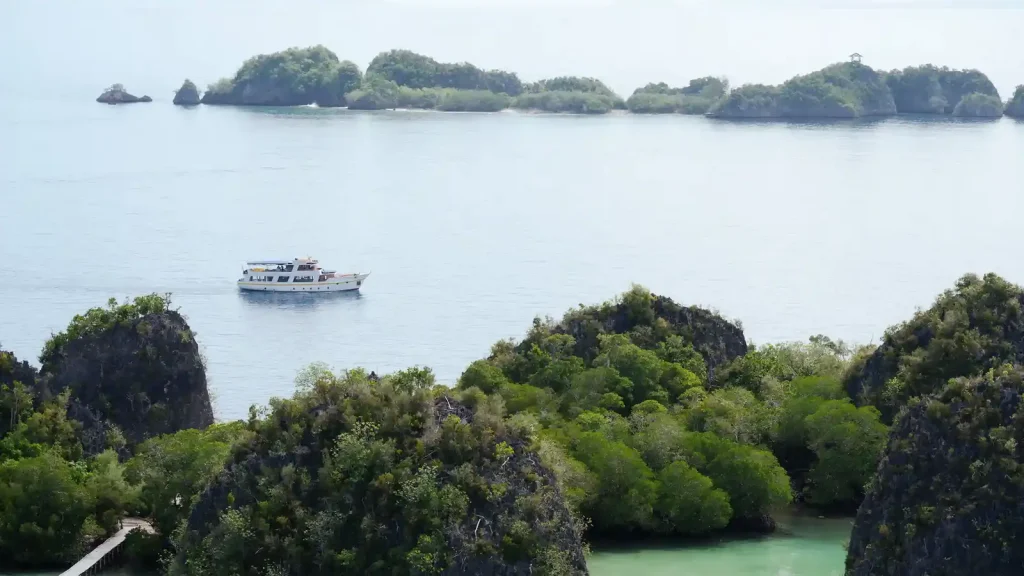
By 2027, mainstream operators quote eco-resort yields in Raja Ampat at roughly 6–12% annualized ROI, depending on leverage, occupancy, and build standard, against liveaboard and yacht programs that can reach 8–15% gross. The key shift is regulatory: tighter marine protection and adat (customary) tenure are pushing investors toward lower-impact, higher-yield “eco-models” aligned with local communities.
How is Raja Ampat eco resort investment evolving toward 2027?
Raja Ampat eco resort investment is moving from informal bungalows toward structured, low-density, high-yield projects anchored in conservation and adat partnerships. From 2024 to 2026, several headline resale cases show investors exiting with capital gains after 7–10 years where zoning, tenure and marine carrying-capacity were respected. The pattern informs 2027-forward planning.
As of August 2026, the main entry paths are long-term leases via local landowners, concessions negotiated with village authorities, and PT PMA structures using HGB over Hak Milik where zoning allows. Advisory desks such as investlandrajaampat.com deliberately avoid listing land prices publicly, reflecting a shift away from speculative land-flipping toward negotiated, community-inclusive projects.
Eco-models in Raja Ampat typically cap built footprint and guest capacity, then push daily rates up through diving, conservation fees, and curated itineraries. Comparing to Bali, where coastal yields are under pressure from oversupply, Raja Ampat tourism investment still enjoys structural scarcity: limited buildable coastline inside marine protected area constraints and a global reputation among advanced divers.
Where is the best place to build an eco resort in Raja Ampat by 2027?
“Best” combines ecological value, access, tenure clarity, and zoning. In 2027-forward conversations, investors usually shortlist three clusters: Dampier Strait, Misool region, and more remote northern atolls. Each has different logistics and regulatory realities.
Dampier Strait (accessible from Sorong via Waisai) offers easier supply chains, shorter transfers for guests, and synergies with liveaboard routes. It is often preferred for a hybrid eco resort plus Raja Ampat marine tourism investment opportunities such as day-boats for diving and snorkeling. Misool and far-north sites might offer higher perceived exclusivity but entail higher build and operating costs.
Because no public land price benchmarks are published for Raja Ampat as of August 2026, pre-feasibility relies on site visits, adat negotiations, and marine carrying-capacity assessments, not just a price-per-metre calculation. Performing a structured site survey documentation drone and seabed scan has become normal for serious eco investors before any term sheet is drafted.
What ROI profiles are realistic for eco resorts and liveaboards in Raja Ampat?
Investors often ask about “roi for eco resorts in raja ampat” using Bali or Maldives benchmarks. Publicly discussed ranges for well-run eco properties in remote Indonesian locations fall around 6–12% annualized ROI over the medium term, depending heavily on occupancy, ADR, and capital structure. Low-impact resort models with 8–20 keys can command premium nightly rates but operate with tight capacity limits.
On the marine side, phinisi liveaboard investment in Raja Ampat typically aims for 8–15% gross yield before management, maintenance and finance costs. As of August 2026, Indonesia-wide liveaboard prices in Komodo and Raja Ampat often track at roughly USD 150–250 per night (budget), USD 250–500 (midrange) and USD 500–1,000+ (luxury), with Raja Ampat and longer expeditions priced toward the upper bands.
Hybrid portfolios combining a Raja Ampat eco resort investment via family office structures plus one or more vessels (for example a diving yacht investment Komodo Raja Ampat) try to smooth seasonality, sharing crew, marketing and maintenance. Yield outcomes are strongly affected by regulation, community agreements, and foreign investment rules in Raja Ampat West Papua, so sophisticated structuring via licensed advisors is essential.
How do yacht and liveaboard strategies compare: Bali vs Raja Ampat vs Komodo?
From 2015 onward, Komodo Luxury’s 240+ vessel track record shows that liveaboard and charter programs behave differently by region. For a family office deciding between Bali vs Raja Ampat for yacht charter business, Bali’s advantage is airlift, short charters and corporate groups, while Raja Ampat’s advantage is high-yield expeditions and brand positioning among serious divers.
The typical Bali to Raja Ampat yacht cruise is not a weekly shuttle but a seasonal expedition (often via Banda or Seram), with guests flying into Bali first. This is where a bali vip airport service investor reception dovetails into a bespoke Bali Raja Ampat liveaboard itinerary. Routes may combine Bali, Komodo, Banda Sea and Raja Ampat over 10–14 nights.
For asset allocation, many owners now examine charter fleet roi 2027 through portfolio models that place one yacht heavily in Komodo, one in Raja Ampat, and a third in crossover routes. A raja ampat vs komodo dive liveaboard investment comparison usually concludes that Komodo offers higher volume and easier resupply, while Raja Ampat delivers fewer trips at higher price-points.
How do foreign investment rules in Raja Ampat West Papua shape 2027 eco-models?
In West Papua, foreign investors usually operate via Indonesian companies with foreign shareholding (PT PMA) and lease or HGB rights layered over local ownership and adat tenure. The core message for 2027: invest in Raja Ampat only after mapping the interaction between national law, provincial regulation and village-level agreements.
Foreign investment rules Raja Ampat West Papua are subject to change, and investors should expect evolving marine protected area policies, building moratoriums in sensitive zones, and stricter environmental impact obligations. As of August 2026, the Bali International Financial Center Desk is an independent information operator, not a government arm, and works by connecting investors to licensed legal and tax partners instead of issuing legal opinions.
Practical risk mitigation includes early title screening, adat consent documentation, and environmental baselines. Many buyers now review Bali market case studies via resources on bali due diligence red flags to avoid repeating similar mistakes in Raja Ampat, where tenure and community stakes are even more intricate.
What about acquiring existing assets: resorts, yachts and liveaboards for sale?
By 2027, more investors will likely prioritize acquiring and upgrading existing operations instead of greenfield projects. A raja ampat dive resort for sale with audited books, clear tenure, and proven occupancy can compress ramp-up time considerably versus a multi-year permitting and construction cycle. However, very few such assets are marketed publicly; most move off-market through specialist desks.
Similarly, a raja ampat liveaboard business for sale or a broader raja ampat yacht and phinisi investment package (vessel plus brand, permits and crew) can be attractive where class, safety and maintenance records are verifiable. In the Komodo–Raja corridor, phinisi liveaboard investment Komodo and Raja Ampat often includes repositioning strategies to cover both regions seasonally.
New build paths remain relevant: as of August 2026, basic phinisi construction ranges from roughly USD 100,000–250,000 for 20–25 m hulls, with luxury 25–40 m projects from about USD 500,000–1,000,000+ and 10–36 month timelines depending on size. These builds typically serve luxury yacht investment Komodo and Raja Ampat routes with premium liveaboard prices Indonesia Komodo Raja Ampat-wide.
- Typical liveaboard expeditions in Raja Ampat run 7–10 days, often priced from roughly IDR 25,000,000–60,000,000+ per guest as of August 2026, depending on class and route.
- Open-trip 4D3N programs in Raja Ampat start around IDR 8,000,000 per person in high season (August 2026 benchmark, minimum four participants).
- Basic Bali airport fast-track for investors is typically from about USD 160 per arrival as of August 2026, with private aviation coordination available at higher tiers.
- Custom phinisi builds span around 10–36 months from keel-laying to delivery, with budget, midrange, luxury and superyacht classes up to roughly 55 metres.
- Domestic Bali–Labuan Bajo flights are roughly 1–1.25 hours; Sorong–Raja Ampat transfers usually add a ferry or speedboat leg of 1.5–3 hours, depending on island.
- Dry-season Komodo operations (approximately April–November) often combine with Raja Ampat’s October–April peak, enabling year-round vessel deployment with careful routing.
Frequently asked questions
Raja Ampat Eco-Models For 2027?
For 2027, the most resilient eco-models in Raja Ampat are low-density resorts (8–20 keys) coupled with limited-capacity dive operations or liveaboards, structured under PT PMA and adat agreements. Investors increasingly blend land-based raja ampat resort investment with one or two vessels, targeting premium guests and prioritizing conservation outcomes over volume-driven mass tourism.
How does Bali vs Raja Ampat liveaboard experience affect investment decisions?
Bali vs Raja Ampat liveaboard experience diverges sharply: Bali supports shorter, more casual trips, while Raja Ampat is expedition-grade diving with higher per-night pricing and longer stays. Investors often stage phinisi liveaboard Raja Ampat from Bali, using Bali for provisioning and marketing, then focus the highest-yield trips in Raja Ampat and Komodo peak seasons.
Is Bali to Raja Ampat yacht cruise demand strong enough for new vessels?
Demand for Bali to Raja Ampat yacht cruise itineraries is niche but high-value. Most charters are 10–14 night expeditions combining Bali, Komodo and Raja Ampat, not weekly shuttles. For new vessels, viability depends on strong pre-sales, branding toward advanced divers, and careful yield modelling that balances expedition trips against core Komodo and Raja seasons.
Can a family office structure a Raja Ampat eco resort investment safely?
A family office can structure a Raja Ampat eco resort investment via family office mandates if it works with licensed Indonesian legal, tax and compliance partners. Typical steps include PT PMA formation, lease or HGB structuring, environmental studies and community agreements. The Bali IFC Desk coordinates introductions and orientation only; binding advice remains with regulated professionals.
How should liveaboard prices Indonesia Komodo Raja Ampat be projected to 2027?
Projection to 2027 typically assumes gradual upward pressure from fuel, crew and compliance costs, plus premium pricing for higher-class vessels. Budget on rising ADRs in the midrange and luxury bands, especially in Raja Ampat. Many owners stress-test models with conservative occupancy, seasonal layups, and varying port and park fees to protect margins in less favorable years.
For a 2027–2029 orientation call on Raja Ampat eco resort or yacht strategies, contact the Bali International Financial Center Desk (part of Juara Holding Group) via WhatsApp 6281128590000 or email sales@balipremiumtrip.com to coordinate with licensed Indonesia-based advisors.
Last updated 7 August 2026