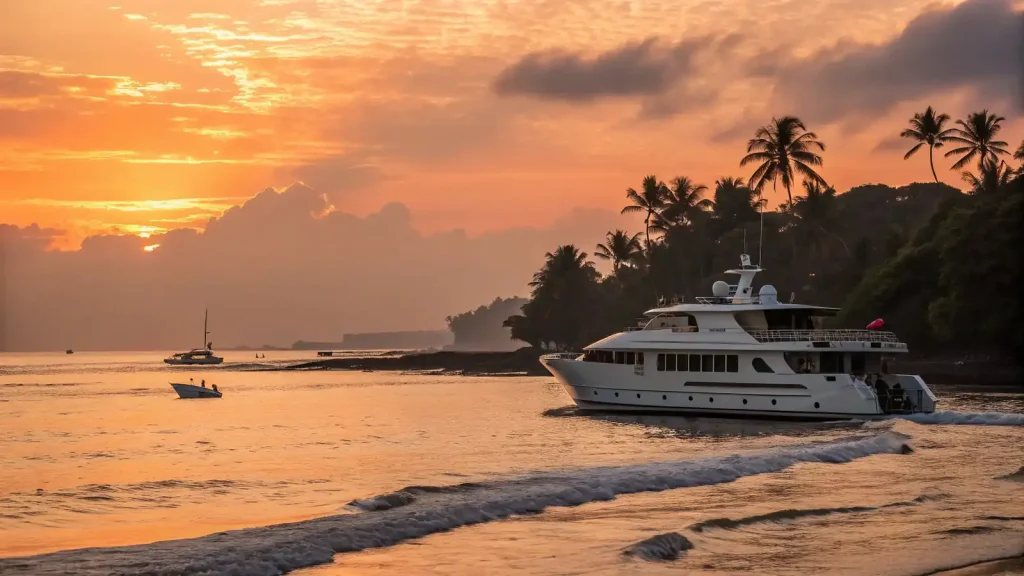
Sumba Coastal Corridor In 2027
Sumba investment 2027 is being defined by coastal land from roughly IDR 43,750–625,000/m² and marine‑tourism yields that, in public market data, often sit
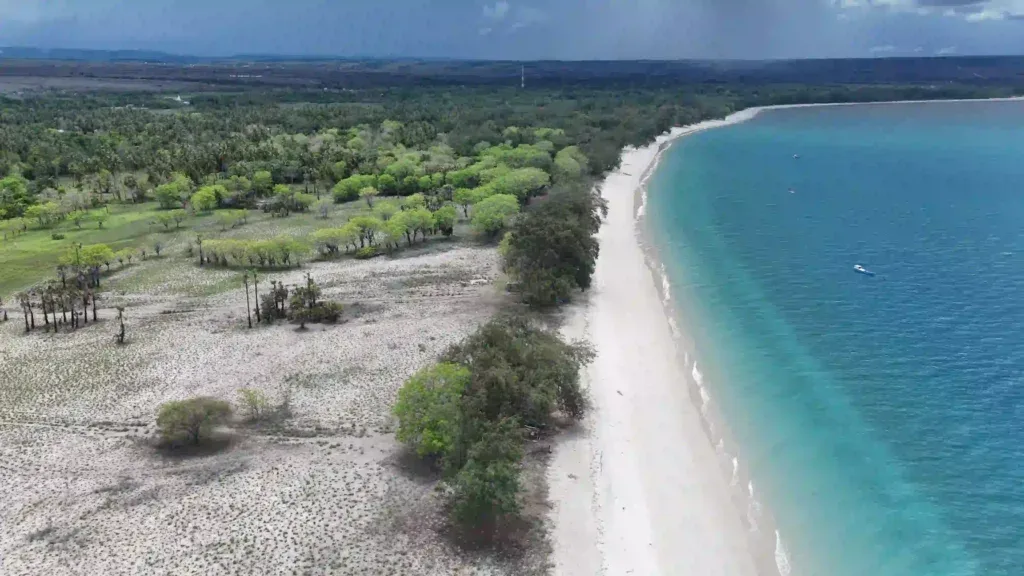
Sumba investment 2027 is being defined by coastal land from roughly IDR 43,750–625,000/m² and marine‑tourism yields that, in public market data, often sit in the mid‑single to low‑double digits depending on leverage and occupancy. By 2027, investors are pairing Sumba eco‑resorts with liveaboard and yacht assets operating from Bali and Labuan Bajo.
How is the Sumba Coastal Corridor evolving for investors by 2027?
The Sumba Coastal Corridor in 2027 is shaped by three converging trends: lower entry land prices than Bali, improving access via Bali–Tambolaka/Waingapu connections, and Indonesia’s national focus on eastern tourism. Verified listings on investlandsumba.com show coastal land between IDR 43,750–625,000/m² as of August 2026, with beach parcels still a fraction of southern Bali.
Southwest and East Sumba shorelines are central to current master plans: investors are targeting long arcs of sand suitable for small eco lodges and 20–40 key resorts rather than mega‑developments. In practice, “Sumba Coastal Corridor” usually refers to the south and east coasts aligned with surf breaks and dry savannah hills, plus islets that occasionally surface as a Sumba private island for sale through specialist desks.
From 2025 onward, more Bali-, Jakarta- and Singapore-based families have included Sumba in multi‑stop survey trips that also look at mandalika 2027 developments and Komodo marine tourism. The corridor is gradually being integrated into broader Indonesia portfolios that blend land, hospitality, and yacht or liveaboard assets.
What are realistic Sumba investment opportunities along the coast?
Along the main Sumba coastal corridor, realistic Sumba investment opportunities cluster into three categories by 2027: small Sumba hotel and eco lodge investment, land banking of 5–50 hectares, and hybrid land–marine models tied to Komodo and Flores cruising. Ticket sizes vary widely, but land is still the entry point for most investors.
As of August 2026, investlandsumba.com lists examples such as 100 hectares in Kapulit at IDR 43,750/m² and 1 hectare beachfront at Pantai Tosi at IDR 625,000/m², illustrating the current band. These parcels are typically freehold (SHM), with foreign investors using local partners or PT PMA structures arranged via licensed consultants.
Eco lodge concepts in Sumba usually start around 8–20 keys, prioritising low-density, water management, and community employment. Investors commonly connect them with Bali and Labuan Bajo itineraries, using Bali as an air and financial hub and Labuan Bajo as the marine gateway. Some portfolios add yacht charter investment opportunities Bali-side to create integrated packages spanning Sumba, Komodo and Raja Ampat.
What risks exist in buying coastal land in Sumba and Flores?
The risk of buying coastal land in Sumba and Flores is higher than in mature Bali zones, mainly due to documentation gaps, shifting local regulations, and physical climate exposure. Titles may not be fully converted to SHM, boundaries can be unclear, and community rights (adat) must be mapped before any transaction.
Practical risk drivers include coastal erosion and set‑back rules, which are becoming stricter on exposed south‑facing beaches. In Flores and Komodo district, park buffer zones and planned infrastructure corridors add another layer of complexity. Investors should factor in 6–12 months of verification, environmental studies and permitting before construction, especially near mangroves or headlands.
Structuring risk also matters. The risk of indonesia bali pfii investment or any Indonesia‑focused fund or vehicle typically lies in misalignment between foreign expectations and local compliance, which is why our desk only does orientation and passes complex legal, tax and fund questions to licensed partners. Thorough due diligence on sellers, local leaders and coastal morphology is non‑negotiable in 2027.
How does marine tourism tie into Sumba and Flores investment in 2027?
By 2027 the thread connecting Sumba, Flores and Bali is marine tourism: dive cruise boat investment Flores and Sumba, liveaboards, and Bali‑based yachts serving Komodo and Sumba extensions. Komodo Luxury already coordinates 240+ vessels in Indonesia, from budget boats to phinisi superyachts, making integration of routes operationally feasible.
For investors, combining a Sumba eco lodge with a liveaboard business in Bali or Labuan Bajo creates year‑round demand. The best season for indonesia liveaboard diving in Komodo and Flores is generally April–November, aligning with Sumba’s drier months. Raja Ampat tends to peak October–April, letting yacht owners rotate assets seasonally.
Luxury liveaboard indonesia bali departure options often sail via Lombok and Sumbawa to Komodo, with some itineraries now testing Sumba anchorages. Investors can invest in yacht charter in bali in two ways: owning a vessel placed under management, or co‑owning cabins or weeks through structured programs managed by specialist operators.
How does Bali IFC, company setup, and tax context affect a Sumba strategy?
Many investors planning Sumba investment 2027 use Bali as their administrative and lifestyle hub, including the emerging Bali International Financial Center narrative. Our platform is independent and not an official Bali IFC authority; any IFC or special zone benefit must be confirmed with licensed advisors as regulations evolve.
Questions like is crypto allowed in bali international financial center and the risk of indonesia bali pfii investment (for Indonesia‑focused funds or products marketed via Bali) fall under regulated financial advice and are referred out. Crypto, capital flows and fund structures have to comply with Bank Indonesia, OJK and tax rules; these are policy areas that can change and must be checked in real time.
On the corporate side, investors usually set up company in bali through a PT PMA to hold resort or boat assets, or set up holding company in bali that later holds shares in operating entities in Sumba, Flores or Raja Ampat. Bali business license cost as of August 2026 varies widely depending on sector, paid‑up capital and professional fees; investors should budget several thousand to tens of thousands of US dollars for multi‑entity structures.
How do lifestyle, cash flow seasonality, and logistics in Bali impact Sumba investors?
Bali remains the “living room” of the portfolio, with Sumba and Flores as asset locations. The cost of living in bali for high net worth expats in 2027 scenarios typically ranges from USD 8,000–25,000/month depending on villa, schooling, security and staffing. Many investors base family life in Bali while assets operate in eastern Indonesia.
Bali investment during low season is a recurring theme. The November–March monsoon brings softer tourism numbers in south Bali and Komodo but improves conditions in Raja Ampat. Portfolios that include both a Bali branded residence investment bali and eastern marine assets can smooth cash flow through this seasonality.
Yacht and liveaboard integration also matters practically. Booking bali liveaboard online feeds both survey and leisure trips, and a bali yacht charter with concierge service (including VIP airport fast track and chauffeurs) makes it easier to pull family or investors into site visits on short notice. This is where services like Bali Premium Trip and balihnwi’s chauffeured fleets, from about USD 250/day as of August 2026, become tools rather than luxuries.
- Sample coastal land price band in Sumba: IDR 43,750–625,000/m² as of August 2026 (investlandsumba.com listings).
- Indicative PT PMA minimum capital: IDR 10 billion for foreign‑owned companies in tourism sectors, subject to current regulation.
- Typical custom phinisi construction budget: USD 250,000–1,000,000+ with 10–36 month build windows via boatconstructionindonesia.com.
- Komodo private charter survey trips: around USD 3,500–8,000/day, flagship options ~USD 30,000/night as of August 2026.
- Komodo National Park diver fee planning range: IDR 300,000–400,000 per diver per day in 2026, varying with itinerary packaging.
- Open‑trip Raja Ampat liveaboard example: 4D3N around IDR 8,000,000/pax high season (minimum 4 persons) as of August 2026.
- Private Bali villa + car bundles for survey trips: indicative from USD 500/day via balihnwi.com as of August 2026.
Frequently asked questions
Sumba Coastal Corridor In 2027?
In 2027 the Sumba Coastal Corridor is a transitional zone: land remains far cheaper than Bali, but transaction quality and infrastructure are improving. Investors blend eco‑lodges, small hotels and land banks with Bali‑based lifestyle and Flores marine‑tourism assets, using Bali as the planning hub and Sumba as the long‑horizon growth play.
What is the risk of buying coastal land in Sumba and Flores for foreigners?
Key risks include unclear titles, unregistered adat rights, erosion and coastal set‑back enforcement, and evolving tourism zoning. Foreign investors usually buy via PT PMA or long leases arranged by licensed firms. Expect 6–12 months of due diligence, mapping and permitting to mitigate future disputes or building restrictions, especially on exposed or ecologically sensitive shorelines.
How do yacht and liveaboard investments connect Bali, Flores and Sumba?
Investors often pair Sumba coastal land or eco‑lodges with charter vessels operating from Bali and Labuan Bajo. Luxury liveaboard Indonesia Bali departure routes link Bali–Komodo–Sumba, while Raja Ampat runs fill the opposite season. Structures range from full ownership under management to syndicate models; all must account for Indonesia yacht tax for foreign owners and local crewing rules.
How much does an investment tour of Bali and Sumba typically cost?
Investment tour bali cost depends on villa standard, transport and yacht usage. A lean four‑day Bali base with private driver can start around a few thousand US dollars, while trips using private villas, helicopters and Komodo yachts can reach tens of thousands. Our role is to design a compliant investment site visit itinerary and then connect you to licensed operators for quotations.
Is it safe to use private drivers in Bali for investment site visits?
Using vetted private drivers from established operators is widely considered safe. Platforms like balihnwi.com and Bali Premium Trip provide chauffeurs familiar with villa areas and investor logistics, from around USD 250/day as of August 2026. For higher‑profile guests, executive protection and medical concierge add an extra layer of risk management.
To structure a 2027‑forward Sumba–Flores–Bali portfolio or plan site visits aligned with the best time investment trip bali, contact the BD desk at WhatsApp 6281128590000 or email sales@balipremiumtrip.com (Juara Holding Group).
Last updated 7 August 2026