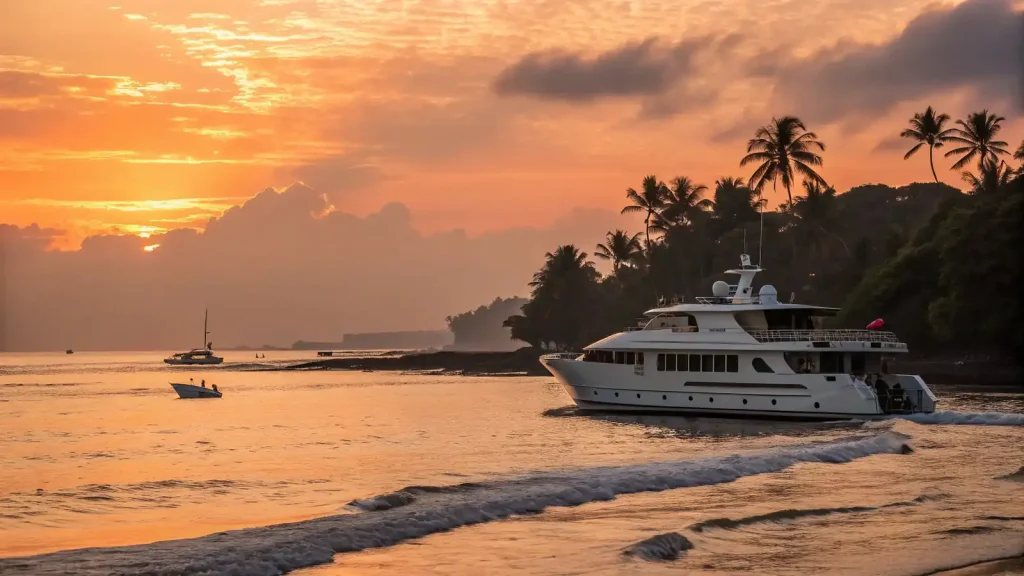
Anatomy Of A Survey Trip Week
A well-structured survey trip week in Bali typically runs 6–8 days, with 3–4 full days of site inspections, 1–2 days of legal/structuring meetings, and 1–2
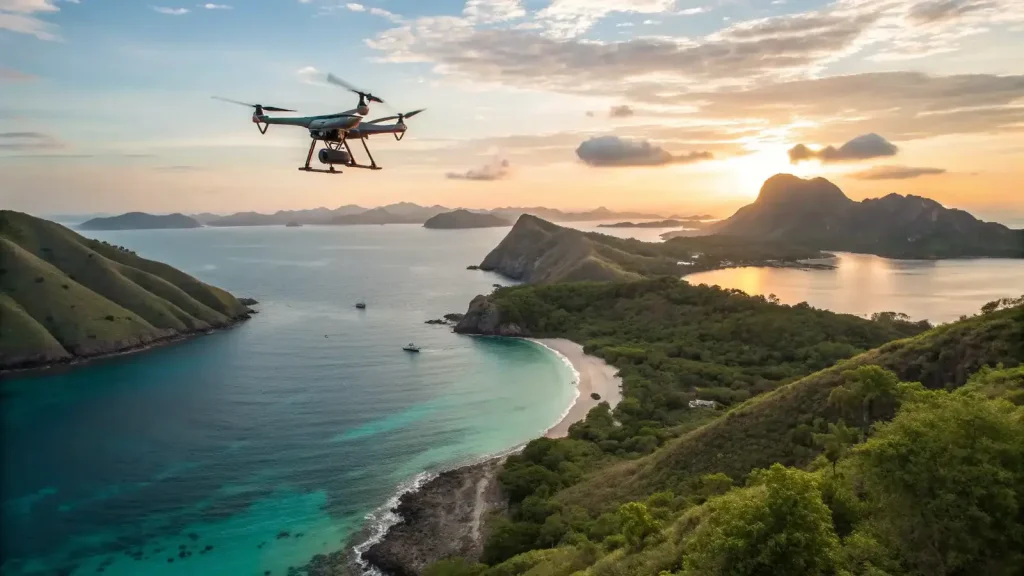
A well-structured survey trip week in Bali typically runs 6–8 days, with 3–4 full days of site inspections, 1–2 days of legal/structuring meetings, and 1–2 decompression days. In 2026, serious buyers usually view 5–10 assets (land, villas, resort sites, or boats) and allocate USD 4,000–12,000 for ground logistics and hosting, depending on yacht/villa class.
What does a real “survey trip Bali diary” week look like, day by day?
An effective investment survey trip Bali diary usually starts on a Saturday and ends the following Saturday. Day 1 is arrival with bali vip airport service investor support at Ngurah Rai, allowing immigration, baggage and transport to be handled in 45–60 minutes instead of 90+ during peak season. As of August 2026, airport fast-track packages in Bali start around USD 160 per arrival.
Day 2–3 are often dedicated to a focused bali property survey trip: cliffside land in Ungasan or Uluwatu, resort-zoned parcels around Canggu/Pererenan, or branded residence concepts near Sanur and the developing Kura Kura Bali area. Investors typically inspect 3–5 locations per day, spending 45–90 minutes on each to walk boundaries, note access roads, and discuss zoning basics with a local consultant.
Mid‑week, many portfolios switch to a bali cliffside resort investment survey combined with an offshore angle: marina visits at Serangan or Benoa, meetings on bali boat investment tourism, or a Komodo or Lombok reconnaissance flight. The final 1–2 days are usually reserved for wrap‑up sessions on structure, visas, and next steps, with time left for family or partner downtime at high‑end investor accommodation bali.
How do investors actually combine a Bali holiday with an investment survey trip?
Most clients asking how to combine bali holiday with investment survey trip end up with a 7–10 day split itinerary. A common 7‑day format in 2026 is: three nights in a staffed villa for meetings and inspections, two nights on a yacht or at a cliff resort, and two lighter “holiday” days built around family activities.
The bali investment tourism itinerary 7 days typically keeps heavy decision-making to the mornings. For instance, villa tours and land inspections from 09:00–13:00, then back to the resort so family members can enjoy beaches or wellness. Even on a private investor survey trip bali, afternoons can include surf lessons in Canggu, a spa session in Nusa Dua, or a sunset cruise departing from Jimbaran.
As of August 2026, chartering a comfortable day‑boat for coastal Bali survey runs (without overnight cabins) usually starts around USD 1,500–3,000 per day depending on size and season, whereas multi‑day Komodo phinisi charters range from USD 3,500–8,000 per day, with top‑tier vessels closer to USD 30,000 per night. This split allows investors to keep serious work contained while still presenting the trip as a family holiday.
How is a Bali property or resort survey week structured, including Kura Kura Bali?
For those asking how to book investment survey trip to kura kura bali, the process usually starts with a remote consultation 4–8 weeks before landing. A 60–90 minute call clarifies budget bands (e.g. USD 1–3 million, USD 3–10 million), preferred sectors (bali resort investment, villas, co‑working, marina), and visa status. From there, a draft asset shortlist is built and refined before arrival.
A bali survey trip for investors focused on property often spends one day around Sanur and the Kura Kura Bali economic zone surroundings, another day in South Bali (Jimbaran, Uluwatu, Nusa Dua), and possibly a third day in Canggu/Tabanan. The bali property survey trip price for logistics (vehicle, English‑speaking guide, coordination) as of August 2026 often falls between USD 250–600 per full day, depending on vehicle class and coordination complexity, excluding meals and legal fees.
For a bali investment project survey trip at resort scale, investors generally request soil study summaries, preliminary environmental considerations, and discussions of common bali due diligence red flags. Detailed legal and tax analysis is always channelled to licensed partner firms; this desk provides orientation on typical structuring paths only, including referral to PT PMA, HGB, and leasehold specialists.
How can a Bali survey trip extend to Lombok, Sumba, Labuan Bajo or Raja Ampat?
Since 2024, combined survey itineraries have become common for investors comparing Bali with new frontiers. A lombok investment survey trip is usually a 2–3 day extension: direct flight from Bali (about 40 minutes), 1–2 days around Senggigi and the Mandalika area, then departure or return to Bali. Land prices remain below comparable areas in South Bali, which is why many clients allocate at least one full day there.
A sumba investment survey trip generally requires more time. Investors fly Denpasar – Tambolaka, then spend 3–4 days viewing large tracts from 5–100+ hectares. As of August 2026, verified listings in Sumba range roughly from IDR 43,750/m² to IDR 625,000/m², far below Labuan Bajo or Bali beach pricing, but with infrastructure and access trade‑offs that need to be walked in person.
For marine‑tourism portfolios, an investment survey trip indonesia commonly includes Labuan Bajo and Raja Ampat. In Labuan Bajo, survey days combine resort parcels (e.g. Wae Cicu, Batu Gosok) with a visit to at least one phinisi or yacht under management, for hands‑on discussion of boat investment indonesia for tourism. Raja Ampat segments are typically 7–10 day liveaboard expeditions tailored to eco‑resort or private‑island concepts.
How does a survey trip handle boats, yachts and financing in Indonesia?
Investors exploring bali boat investment tourism often ask two questions: how much is a private yacht charter from bali and what are the financing options for yacht purchase indonesia? As of August 2026, private multi‑day yacht charters from Bali for survey and leisure in nearby waters usually run from around USD 3,500 per day for smaller vessels to over USD 10,000 per day for luxury yachts.
A bali investment tour in rainy season (typically November–March) can still include a bali boat investment tourism angle, but itineraries are adjusted to safer, more sheltered routes and flexible dates. For serious yacht buyers, a combined program may include shipyard visits via Boat Construction Indonesia, an inspection of operating charter fleets under Komodo Luxury (240+ vessels since 2015), and discussions with marine surveyors and managers.
Financing options for yacht purchase indonesia remain highly case‑specific. Some investors use offshore lending combined with Indonesian‑flagged operational entities; others use equity cash purchases and then place the vessel into a managed charter fleet. Detailed structuring, compliance and tax analysis is always led by licensed banks, legal and tax advisors; this desk focuses on asset access, inspection and operational modelling with local partners. For more detail, see the dedicated boat investment indonesia page.
What about visas, FX rules and wealth management during a survey week?
Any serious bali survey trip for investors must consider immigration and capital flows early. A bali investor visa and survey trip may use various visa classes, from business visit permits to longer‑term investor KITAS or Second Home visas. As regulations change, exact options and requirements are always confirmed via licensed immigration partners; this platform does not issue legal advice or act as a government body.
Regarding indonesia foreign exchange rules for expats, Bank Indonesia and Indonesian banking regulations set practical limits and reporting duties. For example, sizeable inbound transfers for property or bali resort investment typically need clear documentation of source of funds and purpose. During survey weeks, investors often meet with local banks and licensed advisors to align their future transfer strategy with compliance requirements.
HNWI and family groups may also integrate hnwi wealth management bali touchpoints into the week: family‑office introductions, succession‑planning briefings, and risk‑mitigation workshops. Formal investment advice, portfolio construction and cross‑border tax planning are carried out only by regulated partners; this desk’s role is to coordinate meetings, logistics and documentation flows as part of a broader Bali IFC and Indonesia‑wide investment‑tourism journey. All services are independent; there is no affiliation with official government IFC authorities.
- Typical on‑ground inspection days run 09:00–17:00 with 3–6 scheduled site visits and 1–2 ad‑hoc stops.
- Private chauffeured vehicles for investors, as of August 2026, often start around USD 250 per full day including driver.
- Basic Komodo National Park daily fees for foreign divers in 2026 are roughly IDR 300,000–400,000 per diver per day, depending on route and operator bundling.
- PT PMA minimum stated capital for foreign‑investment companies is commonly structured from IDR 10 billion upward, subject to sector rules and advisor confirmation.
- Small phinisi newbuilds (20–25 m) typically range from about USD 100,000–250,000, with 10–18 month build times depending on finish level.
- Liveaboard expeditions in Raja Ampat often run 7–10 days, with indicative per‑person packages around IDR 25,000,000–60,000,000+ as of August 2026.
- Villa+car+tour bundles for survey bases in Bali start from roughly USD 500 per day for staffed residences as of August 2026.
Frequently asked questions
Anatomy Of A Survey Trip Week?
A typical survey week runs 7 days: weekend arrival, 3–4 intensive inspection days, 1–2 days for legal/structuring and banking meetings, and at least one lighter “holiday” day. Around 5–10 assets are inspected in person. Budgets vary widely, but logistics and hosting commonly range from USD 4,000–12,000 excluding potential deposits.
How do I start planning an investment survey trip Bali with JHG?
Planning starts with a remote consultation to define sectors (property, resort, boats), budget, and risk profile. Next, a draft route is built: Bali core, plus optional Lombok, Sumba, Labuan Bajo or Raja Ampat. Once dates are fixed, logistics (drivers, villas, boats) and professional meetings are locked in. Legal, tax and banking matters are referred to licensed partners.
Can I combine Bali property, boats and other regions in one investment survey trip Indonesia?
Yes, multi‑sector itineraries are common. Many investors start with land and villas in Bali, then add a Lombok or Sumba extension and a Komodo or Raja Ampat marine‑tourism segment for boat inspections. The key is realistic pacing: usually no more than two destinations per week, plus travel buffers and one decompression day to review findings calmly.
How is Bali company formation for investors handled during a survey week?
Company setup is not completed inside a 7‑day trip, but foundations are laid. During the week, investors typically meet a corporate‑services firm to discuss Bali company formation for investors, PT PMA structures, and shareholder options. After returning home, documentation, remote signings and regulatory submissions continue over several weeks or months with those licensed advisors.
Is a private investor survey trip Bali viable during rainy season?
Yes, a private investor survey trip Bali is viable in rainy season (roughly November–March), but site sequencing must be flexible. Mornings are usually reserved for outdoor inspections before showers build. Marine segments may be shortened, re‑routed, or shifted to larger, more stable vessels. Villa‑based strategy sessions and professional meetings often fill wetter afternoons.
For a tailored survey‑week outline across Bali, Lombok, Sumba, Labuan Bajo or Raja Ampat, contact the BD desk at WhatsApp 6281128590000 or email sales@balipremiumtrip.com.
Last updated 7 August 2026